Bank Indonesia Raises Benchmark Interest Rate to 6% to Stabilise Rupiah
18 Nov 2026
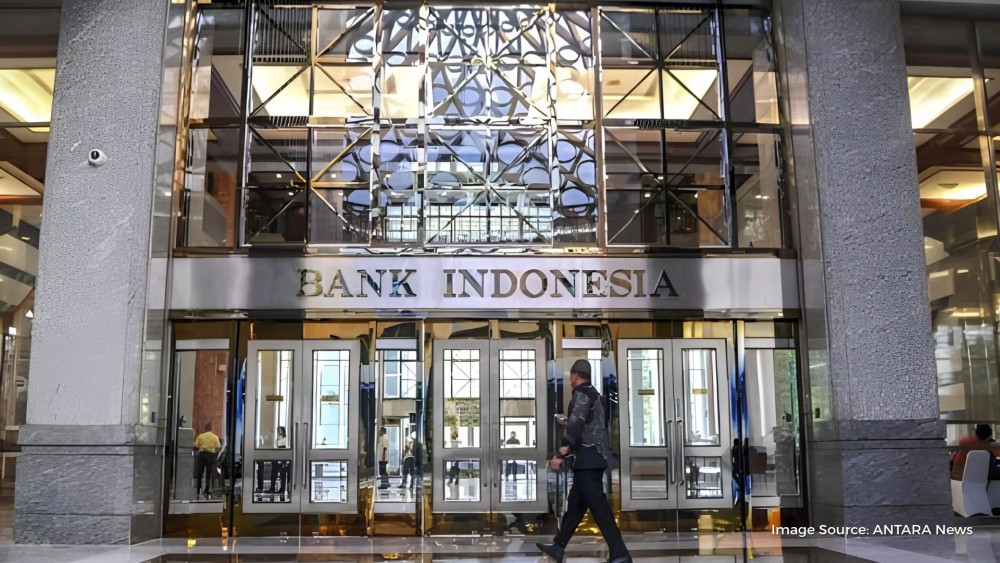
Bank Indonesia (BI) has raised its benchmark interest rate by 25 basis points (bps) to 6%, following its Board of Governors Meeting on 17-18 November 2026. The decision comes amid continued pressure on the rupiah and heightened uncertainty in global financial markets.
The central bank also increased its Deposit Facility rate by 25 bps to 5.25% and its Lending Facility rate by the same amount to 6.75%, BI Governor Destry Damayanti announced during a press conference on Wednesday, 18 November.
The increase marks BI's third interest rate hike in 2026, following two increases in May and June totalling 100 bps. The benchmark rate has now risen by a cumulative 125 bps since May, from 4.75% to 6.00%, reaching its highest level since January 2025.
Destry said the decision was intended to strengthen rupiah exchange rate stability amid increasing global uncertainty and to ensure that inflation remains within BI's target range of 2.5% ± 1 percentage point in 2026 and 2027.
The rupiah has faced sustained depreciation against the US dollar in recent weeks. On Tuesday, 17 November, the currency weakened to a record low of IDR 18,285 per US dollar. Before the interest rate announcement on Wednesday, the rupiah was trading at approximately IDR 18,250 per dollar.
Global market uncertainty, expectations of further monetary tightening by the United States Federal Reserve and geopolitical tensions in the Middle East have contributed to pressure on emerging-market currencies, including the rupiah.
According to Destry, the central bank will continue directing monetary policy towards strengthening rupiah stability and maintaining inflation within its target range.
Indonesia's annual inflation rate stood at 3.23% in October 2026, remaining within BI's target range of 1.5% to 3.5%. Meanwhile, the country's economy expanded by 5.47% year-on-year in the third quarter of 2026, up from 5.29% in the previous quarter.
Alongside the interest rate increase, BI will continue strengthening its monetary policy instruments to maintain financial stability. The central bank has also maintained an accommodative macroprudential policy stance to support bank lending to the real sector while safeguarding the stability of the financial system.
BI's payment system policies will continue to focus on expanding digital payment adoption, strengthening risk management and improving the reliability and resilience of payment infrastructure.
The November interest rate decision was broadly anticipated by some market participants. In a Reuters poll of 27 economists, 10 had forecast a 25-bps increase, while the remaining 17 expected BI to maintain the benchmark rate at 5.75%.

RELATED ARTICLES