ASEAN Energy Consumption Projected to Increase Over Fourfold by 2060
24 Nov 2026

The ASEAN Centre for Energy (ACE) projects that final energy consumption across Southeast Asia could increase more than fourfold by 2060. Under the Baseline Scenario, ASEAN’s final energy consumption is expected to reach 2,047 million tonnes of oil equivalent (Mtoe), up from approximately 485 million tonnes in 2025.
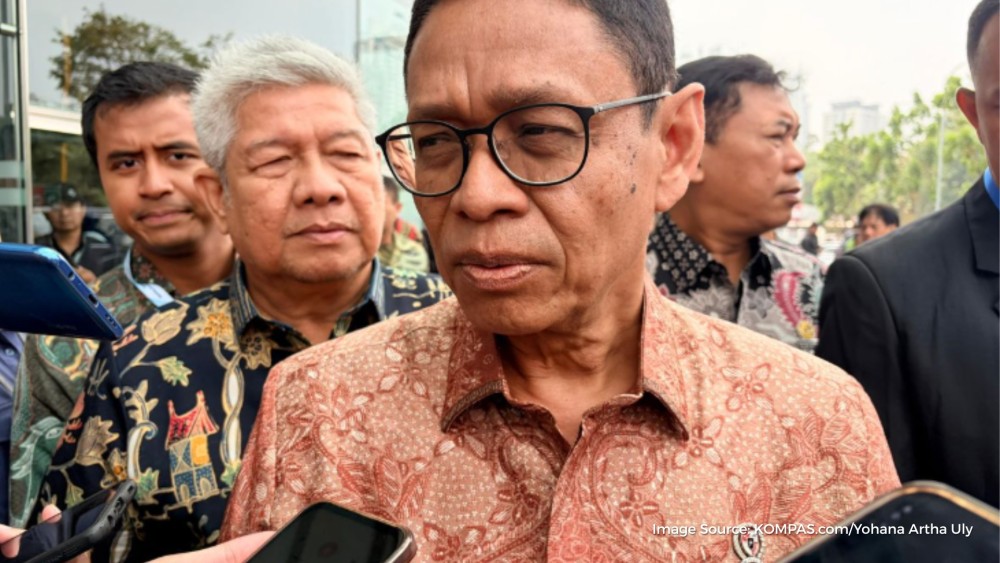
ACE Executive Director Dato’ Ir. Ts. Razib Dawood said the projection was among the key warnings highlighted in the 9th ASEAN Energy Outlook (AEO9) report.
“Under the Baseline Scenario, ASEAN’s final energy consumption could increase more than fourfold, from approximately 485 million tonnes of oil equivalent in 2025 to 2,047 million tonnes by 2060,” Razib said during the opening of the AEO9 exhibition at the ASEAN Secretariat in Jakarta on Tuesday, 24 November.
In addition to rising energy consumption, Razib highlighted the region’s growing dependence on oil imports, which leaves ASEAN member states increasingly vulnerable to external shocks.
However, the projected increase in energy consumption could be mitigated if ASEAN member states implement their respective national energy policies and targets.
Under the ASEAN Member States Target Scenario (ATS), ASEAN’s final energy consumption is projected to be limited to 1,482 Mtoe by 2060. Meanwhile, under the ASEAN Coordinated Transition Scenario (ACTS), consumption could be reduced further to 1,073 Mtoe. This figure is nearly half of the Baseline Scenario projection, while maintaining a relatively similar economic growth trajectory.
Razib explained that achieving these scenarios would require accelerated energy efficiency measures, electrification and a transition to alternative fuels.
He said energy security was determined not only by a country's ability to produce or import energy, but also by the efficiency of energy use and the connectivity of energy systems across countries.
On the supply side, ASEAN also needs to accelerate renewable energy development. To achieve its target of having renewables account for 45% of installed power generation capacity by 2030, the region needs to add approximately 26 gigawatts (GW) of capacity annually, nearly four times the previous rate of expansion.
These efforts must be accompanied by stronger electricity grids, increased energy storage capacity, the development of the ASEAN Power Grid and expanded cross-border electricity trade.
Razib said achieving a more coordinated energy transition under the ACTS would also require substantial investment. Under this scenario, ASEAN's investment needs are estimated at USD 14.1 trillion through 2060, equivalent to approximately USD 405 billion annually.
He emphasised that the 2030 energy targets represented an important milestone rather than an end goal. Policies and decisions made today will determine ASEAN's energy security, competitiveness and sustainability over the coming decades.
Published in partnership with Katadata
Original article here