Indonesia-EU Trade Deal Paves Way for Economic Expansion, Though Investment Hurdles Remain
26 Aug 2026
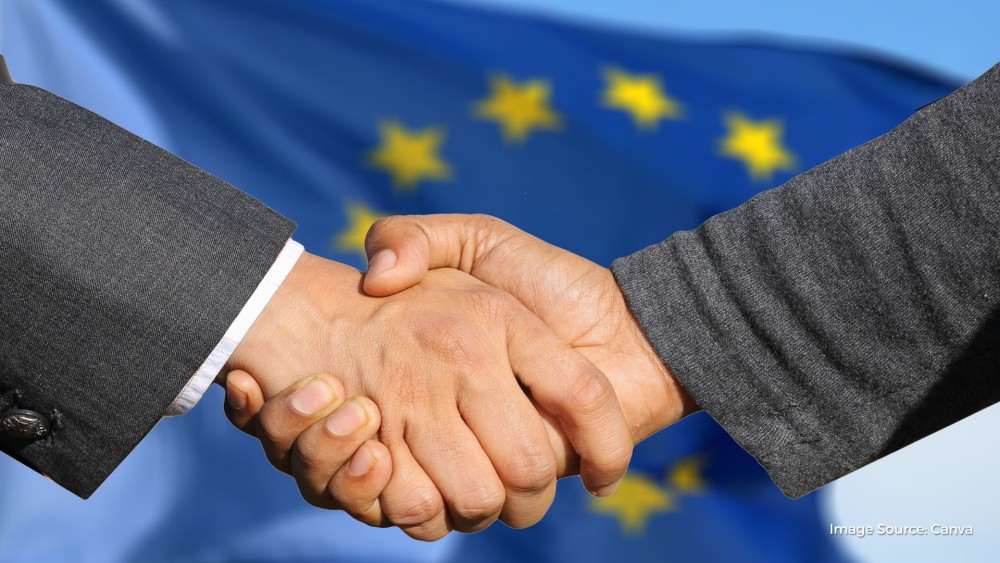
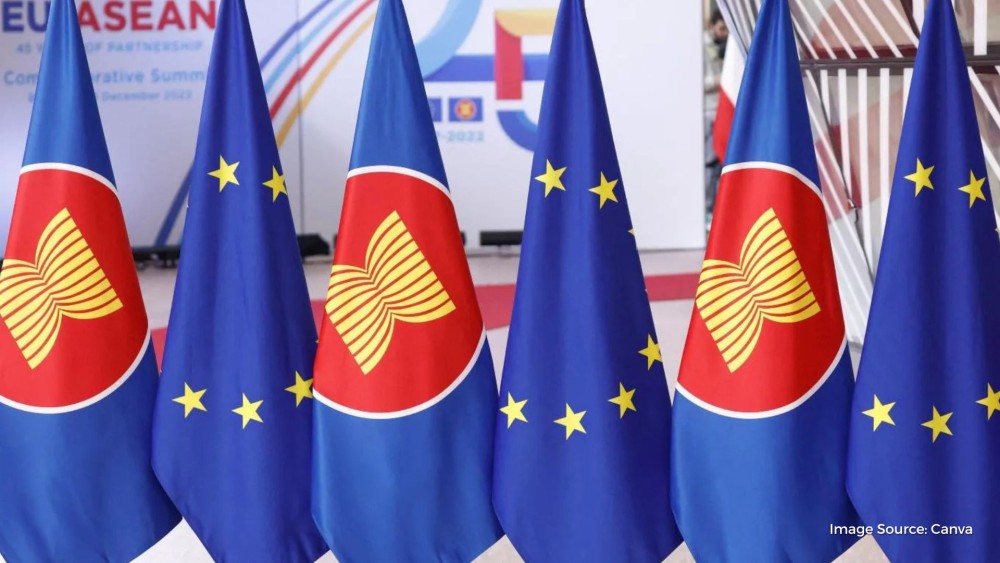
The upcoming Indonesia-European Union Comprehensive Economic Partnership Agreement (IEU-CEPA) is positioned to unlock significant economic opportunities for Indonesia, offering unprecedented market access while creating scope for greater European investment.
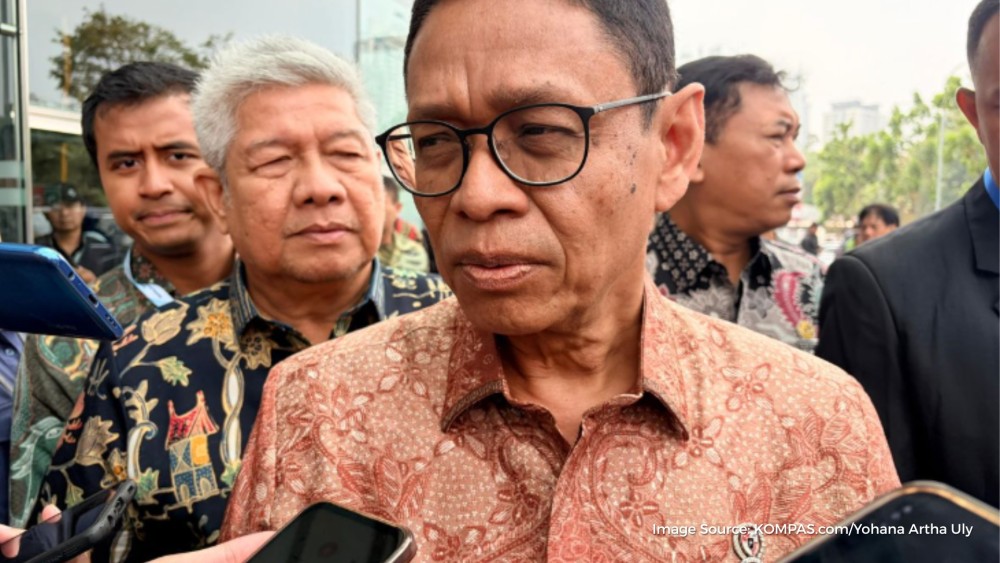
Speaking at an IEU-CEPA implementation dialogue in Jakarta on 21 August, Trade Minister Budi Santoso said the agreement would deliver Indonesia’s most extensive tariff commitments to date.
Once implemented, the pact will liberalize approximately 98 percent of tariff lines, covering 99.5 percent of the total import value between the two regions. This will give Indonesian exporters greater access to an EU market of around 450 million consumers with a combined gross domestic product of approximately USD 22 trillion.
Key Indonesian commodities, including palm oil and its derivatives, textiles, footwear and rubber products, will enjoy zero tariffs. In return, Indonesia will eliminate tariffs on European goods including wood pulp, aircraft and components, railway equipment and fertilizers.
“For Indonesia, this tariff commitment level is the highest ever set in a trade agreement,” Budi said, as quoted by Antara.
While the agreement promises to boost trade, European officials see substantial room to deepen investment, particularly in higher-value green industries.
In an exclusive interview with Jakarta Globe on 24 August, outgoing EU Ambassador to Indonesia and Brunei Darussalam Denis Chaibi highlighted recycling and solar panel manufacturing as areas that could benefit from the agreement, which is expected to take effect in early 2027. The EU views the pact not only as a means of increasing trade, but also as a potential catalyst for investment in more sustainable and higher-value industries.
Despite bilateral goods trade reaching USD 33.71 billion in 2025, however, European investment in Indonesia remains below its potential. Chaibi identified regulatory unpredictability and weak coordination between ministries as key obstacles for foreign businesses.
“EU businesses will adapt to the rules. We have lots of rules in Europe, so they know how to adapt to rules,” Chaibi told Jakarta Globe.
The difficulty, he cautioned, arises when companies must repeatedly adjust to changing requirements. Chaibi said it becomes financially burdensome when businesses are forced “to adapt to rules every three months or every month,” complicating long-term investment decisions.
The issue is particularly relevant as Indonesia seeks greater investment in its energy transition. The government is targeting 100 gigawatts of solar power development over the next four years as it works to reduce its dependence on coal, creating potential opportunities for European capital and technology in renewable energy and related industries.
Domestic economists, meanwhile, see the trade agreement as an opportunity for Indonesia to diversify its export markets amid changing global trade conditions.
Center of Economic and Law Studies (Celios) economist Nailul Huda said the IEU-CEPA could help Indonesian manufacturers redirect exports affected by higher US trade barriers toward Europe.
“I see an opportunity to increase Indonesia's exports to the EU in goods affected by burdensome tariff rules from the United States,” Nailul said, as quoted by Antara, pointing specifically to textiles as a sector that could expand its presence in European markets.
He added that Indonesia could also use greater access to the EU to diversify away from China as an export destination amid the Chinese economy’s slower growth. For domestic industries facing increasingly uncertain global trade conditions, the agreement therefore offers not only lower tariffs but a broader avenue for market diversification and economic expansion.

RELATED ARTICLES
COMPANIES IN THIS SECTOR