Indonesia and Egypt Target USD 5 Billion in Bilateral Trade by 2030
12 Oct 2026

Indonesia and Egypt are seeking to expand bilateral trade to USD 5 billion by 2030, as President Prabowo Subianto and Egyptian President Abdel Fattah el-Sisi agreed to deepen economic cooperation, promote joint manufacturing and explore new investment opportunities during el-Sisi’s official visit to Jakarta on 10–11 October 2026.
The two leaders pushed for an Economic Partnership Agreement (EPA) to broaden market access and strengthen business and investment ties. They also welcomed an initiative to establish a Joint Investment Fund to support strategic projects in both countries.
“We also agreed to strengthen cooperation in various fields, including the economy, especially trade and investment. To that end, we have pushed for the establishment of an Economic Partnership Agreement between Indonesia and Egypt,” Prabowo said in a joint statement at Merdeka Palace, as quoted by ANTARA News on 11 October 2026.
The proposed agreement is intended to create broader opportunities for businesses in both markets. The two governments also committed to improving market access, facilitating business engagement and strengthening the effectiveness of their Joint Trade Committee.
As reported by Egypt’s Ahram Online on 11 October 2026, el-Sisi said both countries had agreed to prioritise trade cooperation and remove obstacles to achieving the USD 5 billion target. The discussions also covered opportunities to expand joint manufacturing in priority sectors.
El-Sisi encouraged Indonesian companies to invest more in Egypt, highlighting the country’s position as a regional production and export centre serving Arab, African and international markets. This could provide Indonesian businesses with additional routes into regional markets, while Egyptian companies could explore opportunities in Indonesia’s large domestic economy.
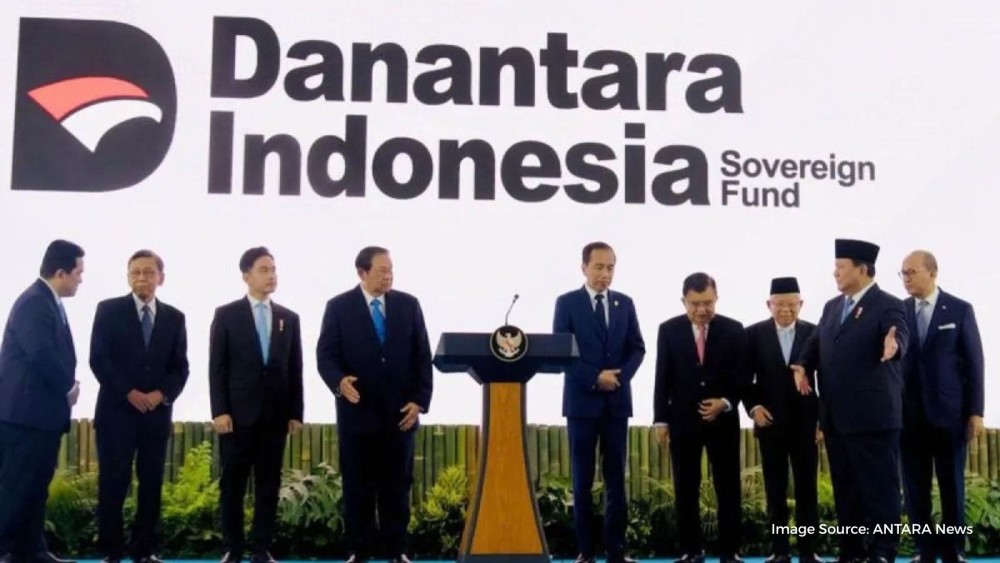
Investment cooperation is also expected to expand through collaboration between Indonesia’s sovereign investment institution Danantara and Egypt’s Future of Egypt for Sustainable Development Agency. The two institutions have made progress in developing their strategic cooperation, according to the joint statement published by Ahram Online.
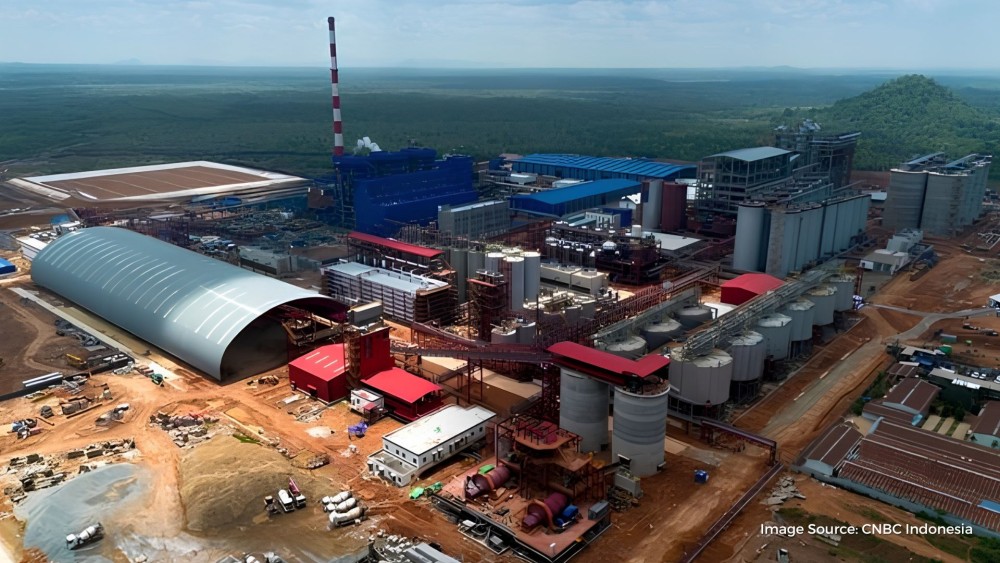
Priority areas include the production and distribution of crude palm oil and its derivatives, phosphate fertilisers and related raw materials. The leaders also encouraged cooperation in infrastructure, energy, logistics and agribusiness, sectors that could support new investment and strengthen supply-chain connections between the two countries.
Beyond trade, the visit produced four bilateral documents covering a strategic partnership action plan, visa exemptions for holders of diplomatic, service and special passports, statistical cooperation, and maritime affairs and fisheries. The countries also agreed to expand cooperation in education, research and technical capacity-building.
The economic discussions build on the strategic partnership established during Prabowo’s visit to Cairo in April 2025. Both governments have since sought to translate their longstanding diplomatic relations into practical programmes and investment projects.
RELATED ARTICLES