Indonesia’s 2025 GDP Growth Seen at 5.2%, with 2026 Target Maintained at 5.4%
28 Jan 2026

Indonesia’s economic growth in 2025 is estimated to have reached the government’s target of 5.2%, Finance Minister Purbaya Yudhi Sadewa said. Growth momentum is expected to have strengthened toward the end of the year, particularly in the fourth quarter.
Speaking on Tuesday at a meeting of Indonesia’s Financial System Stability Committee (KSSK), Purbaya said the government is maintaining its 2026 economic growth target of 5.4% for Southeast Asia’s largest economy, which has a gross domestic product valued at around USD 1.4 trillion.
“Overall economic growth for 2025 is projected to be around 5.2%. Meanwhile, in 2026, economic growth is expected to increase to 5.4%,” Purbaya said during a press conference held on January 27. He added that economic expansion in the fourth quarter of 2025 was expected to be higher, supported by rising domestic demand and improving confidence among economic players.
Purbaya acknowledged that the global economic environment remains cautious, with increasing pressure on international markets. He referred to the International Monetary Fund’s recent revision of its global growth projection for 2026 to 3.3%, compared with 3.2% growth recorded in 2025. Several advanced economies, he said, continue to face challenges from weakening labor markets, softening domestic demand, and declining export performance.
In contrast, Indonesia’s economic outlook remains relatively resilient. The finance minister cited strong domestic liquidity as a key factor underpinning the growth forecast. By December 2025, Indonesia recorded a 9.6% year-on-year increase in broad money supply (M2), reflecting solid financial activity across the economy.
According to Purbaya, the expansion in money supply was driven largely by growth in bank lending and credit-financed sales, indicating active borrowing and spending by businesses and households. These trends, he said, point to sustained confidence in the stability and prospects of the national economy.
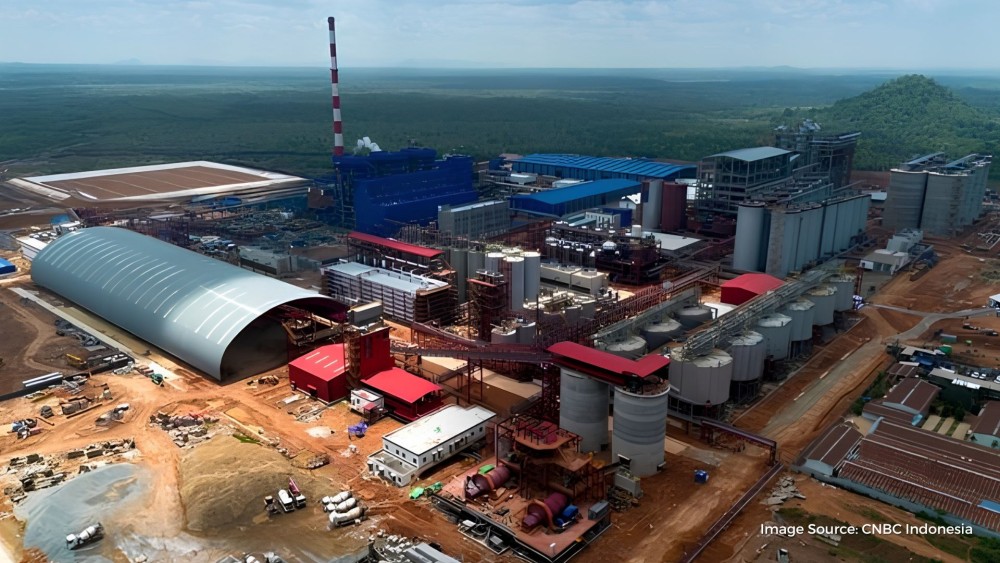
To support growth going forward, the government is focusing on accelerating downstream investment and improving the ease of doing business. These efforts are being coordinated through the Task Force for the Acceleration of Government Strategic Programs (SATGAS P2SP), which aims to strengthen Indonesia’s competitiveness and attract both domestic and foreign investment.
Bank Indonesia (BI) Governor Perry Warjiyo said the central bank will continue to monitor economic conditions for potential room to ease monetary policy in support of growth. However, he noted that interest rates have been kept unchanged in recent months to safeguard exchange rate stability.
Indonesia’s currency has come under pressure this month amid market concerns over central bank independence. Warjiyo said BI would continue to take steps to maintain rupiah stability, including through interventions in financial markets when necessary.
“In formulating monetary policy, we will always look at inflation, exchange rates, and economic growth data,” Warjiyo said.
Bank Indonesia kept its benchmark 7-day reverse repurchase rate at 4.75% last week, where it has remained since September. The central bank has reduced interest rates by a total of 150 basis points between September 2024 and September 2025.
BI’s policy stance, according to Warjiyo, remains focused on maintaining macroeconomic stability while supporting sustainable economic growth, in coordination with fiscal authorities and other members of the Financial System Stability Committee.

RELATED ARTICLES