Indonesia Set to Limit Fuel Purchases, Among Other Energy Measures, as Oil Price Risks Increase
01 Apr 2026
Indonesia is preparing a series of measures to manage rising energy prices and potential supply disruptions linked to the Iran–U.S.–Israel conflict.
Coordinating Minister for Economic Affairs Airlangga Hartarto said the government is planning to introduce controls from April 1, including limiting fuel purchases to 50 litres per day per car, as part of efforts to contain subsidy spending and stabilise supply, as reported by Reuters.
The 2026 energy subsidy budget is set at IDR 381.3 trillion (USD 22.4 billion), based on an assumed crude price of USD 70 per barrel and an exchange rate of IDR 16,500 per USD. However, higher oil prices and a weaker rupiah have increased fiscal pressure.
A decree issued by BPH Migas on March 30 outlines proposed limits on subsidised fuel purchases, stating that it is “necessary to establish control over the distribution of certain types of fuel,” referring to efforts to regulate subsidised fuel distribution, as reported by Kompas. Under the document, private four-wheeled vehicles would be capped at 50 litres per day for both Pertalite and subsidised diesel, while public transport vehicles could receive up to 80 litres per day and heavy vehicles up to 200 litres per day. Purchases exceeding the quota would be charged at non-subsidised prices.
Despite the circulation of the decree, BPH Migas has not confirmed its implementation. Head of BPH Migas Wahyudi Anas stated that the agency is awaiting an official government directive before enforcing any policy. “There are currently no restrictions or adjustments. Please be patient, as everything will be measured and determined by the government,” he said, as quoted by Kompas, on Tuesday, March 31, adding that his agency was “waiting for direction from the government,” as quoted by Tempo.
In parallel, the government is considering measures to reduce fuel consumption, including work-from-home arrangements for civil servants on Fridays and reductions in official travel, as part of broader efforts to manage subsidy spending. Authorities estimate that such measures could generate savings in fuel subsidies.
Energy Minister Bahlil Lahadalia said the government will maintain subsidised fuel prices while continuing to assess possible adjustments to non-subsidised fuel prices. He also stated that fuel and LPG supplies remain secure, with Indonesia sourcing LPG from the United States to offset potential disruptions from the Middle East.
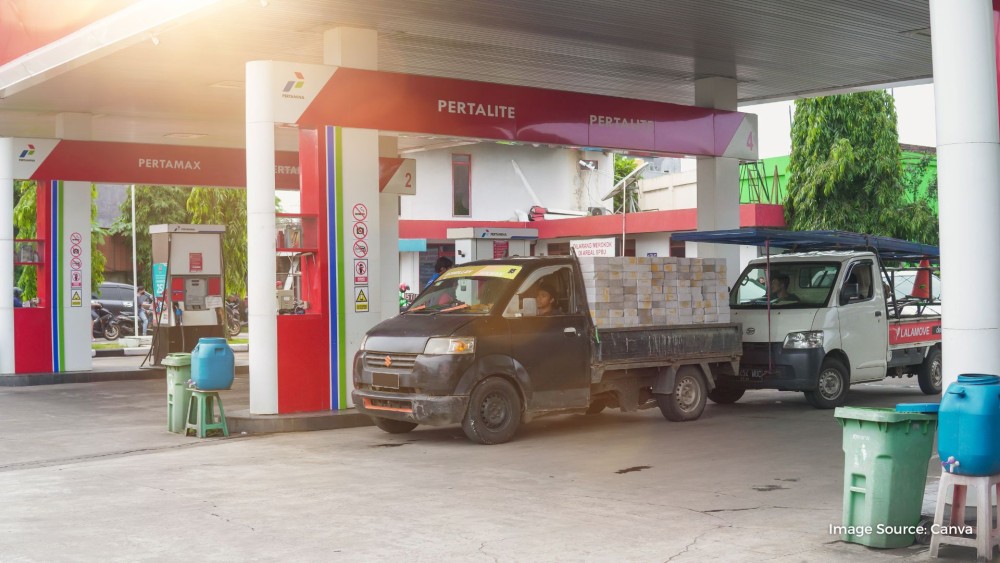
Amid the policy uncertainty, reports of queues at petrol stations have emerged in several cities, with consumers anticipating possible restrictions or price changes, although no official policy has yet been enforced, according to local media.
RELATED ARTICLES