Jakarta Moves to Shore Up Market Reforms After MSCI Stock Removals
13 May 2026

Indonesian authorities are pressing ahead with stock market reforms after MSCI removed several major local companies from its indexes, a move that added pressure to the Jakarta Composite Index and renewed investor attention on the country’s market transparency standards.
MSCI announced on Tuesday that it had removed six Indonesian companies from its Global Standard Index following its quarterly review. The companies were Amman Mineral Internasional, Barito Renewables Energy, Chandra Asri Pacific, Dian Swastatika Sentosa, Petrindo Jaya Kreasi and Sumber Alfaria Trijaya. Sumber Alfaria Trijaya was later moved into MSCI’s Indonesia Small Cap Index.
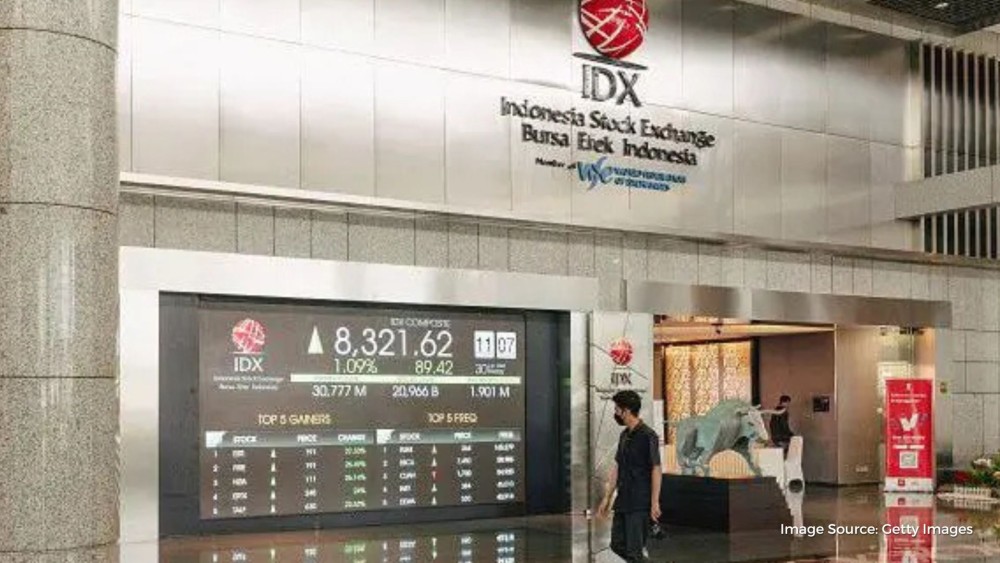
The decision weighed on local equities. The Jakarta Composite Index fell as much as 1.92 percent on Wednesday to its lowest level in more than a year, Reuters reported. The Jakarta Post reported that the benchmark index opened 1.3 percent lower at 6,763.94 and had declined by more than 20 percent since the start of the year.
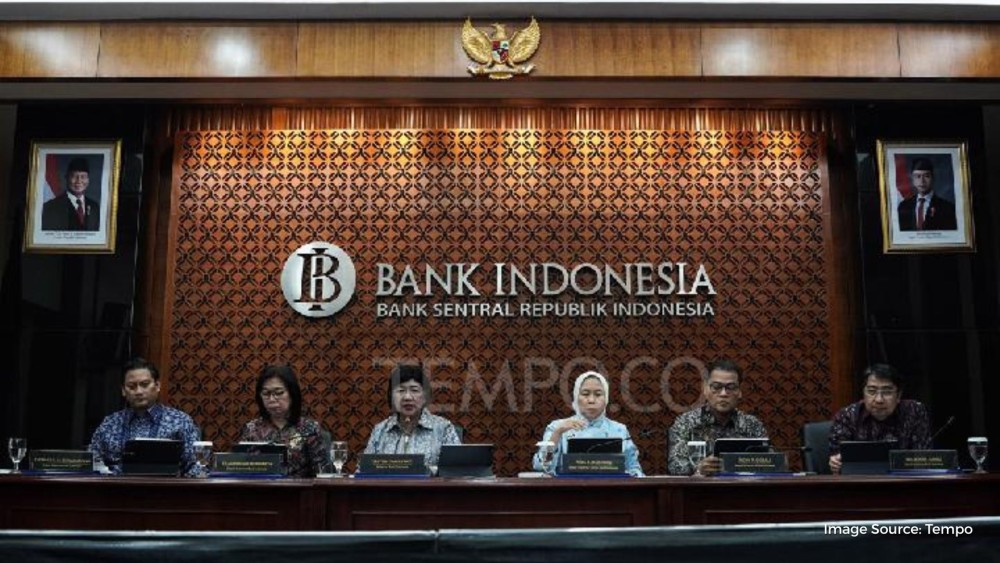
Indonesia’s Financial Services Authority, or OJK, said the market reaction remained contained. Hasan Fawsi, OJK’s chief of capital market supervision, said the drop was “within normal range” and that transaction volume and frequency showed no sign of panic selling, as quoted by Reuters.
Hasan said OJK remained committed to continuing stock market reforms and improving the quality of listed companies, including those included in global indexes.
The latest MSCI review follows earlier concerns raised by the index provider over Indonesia’s market accessibility. In January, MSCI warned that Indonesia could face a downgrade from emerging market to frontier market status, citing issues including concentrated ownership structures and transparency concerns.
The warning prompted regulatory action in Jakarta. OJK, the Indonesia Stock Exchange and the Indonesia Central Securities Depository had finalized proposals to increase free float requirements and introduce a high shareholder concentration framework as part of broader transparency reforms.
MSCI had said in April that it would keep restrictions on Indonesian equities in place for the May review while continuing to assess the effectiveness of reforms introduced by local authorities. These restrictions include a freeze on increases in foreign inclusion factors and the number of shares used in MSCI’s calculations, as well as limits on new Indonesian stock additions and upward migrations across size segments.
Analysts said the next key test will come in June, when MSCI conducts its Market Accessibility Review. Stockbit Sekuritas said the June review would provide further confirmation on whether the risk of Indonesia being downgraded to frontier market status remains, Jakarta Globe reported.
“The review will also provide further confirmation or signals that the risk of Indonesia being downgraded to frontier market status is no longer a threat,” Stockbit Sekuritas wrote in a research note.
The May changes will take effect after the market closes on May 29 and become effective on June 1. Gary Tan, a portfolio manager at Allspring Global Investments, said passive funds could continue adjusting positions around the rebalancing date.
“We expect continued pressure into the May 29 rebalance and early June as passive funds adjust,” Tan said, as quoted by Reuters.

RELATED ARTICLES