APINDO: Iran–U.S. Conflict Could Pressure Businesses Through Energy Surge and Inflation
03 Mar 2026

The Indonesian Employers Association (APINDO) has warned that the escalating conflict between Iran and the United States involving Israel could put pressure on domestic businesses, particularly through rising energy prices and the risk of food inflation.
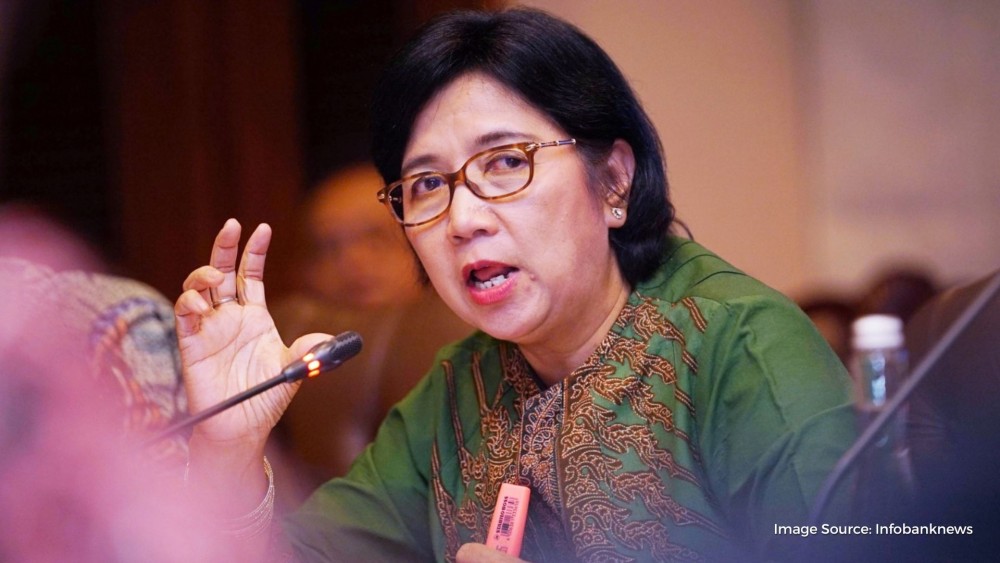
APINDO Chairwoman Shinta W. Kamdani said the main risks stem not only from market sentiment but also from potential disruptions to global energy and trade routes.
“The greatest risk lies in potential disruptions in the Strait of Hormuz, which is one of the world’s key energy trade bottlenecks. Around 20% of global oil passes through that area,” Shinta told Katadata.co.id on Tuesday, March 3.
She explained that even without a physical closure of the route, geopolitical uncertainty alone is sufficient to increase the risk premium on oil and gas prices, while also driving up international logistics costs. This situation has become a serious concern for businesses.
As a net oil importer, Indonesia is considered vulnerable to global energy price spikes. Higher oil prices could raise industrial production costs and narrow the government’s fiscal space if energy prices exceed assumptions set in the State Budget (APBN).
Basic commodity prices are also expected to rise. If energy prices increase, food distribution and transportation costs will also climb. Under certain conditions, this could accelerate food inflation, especially if accompanied by global supply disruptions or a weakening rupiah.
“The indirect impact through energy prices and food distribution is far more relevant to the business sector than direct trade relations with Iran or Israel,” Shinta said.
Government Subsidy Burden Could Swell
If energy prices remain elevated, the government’s subsidy burden could increase and put pressure on the state budget. Shinta urged the government to maintain fiscal discipline in managing the deficit and public debt to preserve market confidence.
Global uncertainty may also trigger higher volatility in the rupiah exchange rate. A weaker rupiah would make energy and food imports more expensive.
APINDO noted that the most vulnerable sectors are industries dependent on energy and international logistics, including labor-intensive sectors with thin margins.
In the short term, businesses are prioritizing realistic and adaptive mitigation measures, ranging from adjusting production and distribution cost structures, improving operational efficiency, managing foreign exchange exposure more strictly, diversifying supply sources, to utilizing hedging instruments.
“The current approach is wait and see, but remain prepared if global pressures continue,” Shinta said.
This article is published in partnership with Katadata
Original article here
RELATED ARTICLES