Indonesia to Centralize Key Commodity Exports Under State-Linked Entity
20 May 2026
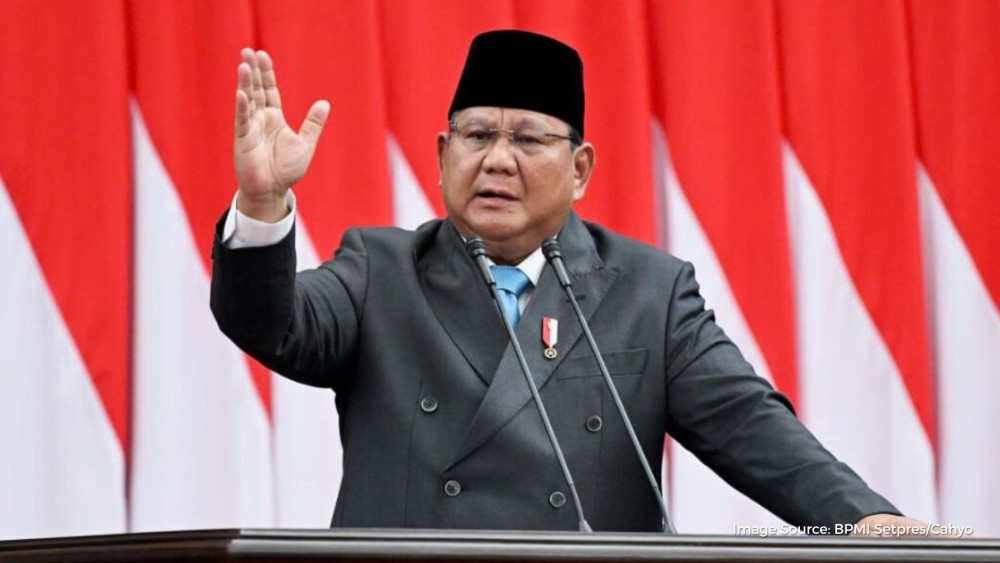
President Prabowo Subianto has announced a policy to centralize exports of several strategic natural resource commodities through a government-appointed state entity, in a move aimed at strengthening oversight of export transactions and increasing state revenue.
The announcement was made during a plenary session of the House of Representatives in Jakarta on Wednesday, 20 May, 2026, as Prabowo presented the government’s 2027 Macroeconomic Framework and Fiscal Policy Principles.
Under the policy, exports of palm oil, coal, and ferroalloys will be routed through a designated state-owned enterprise acting as the sole exporter.
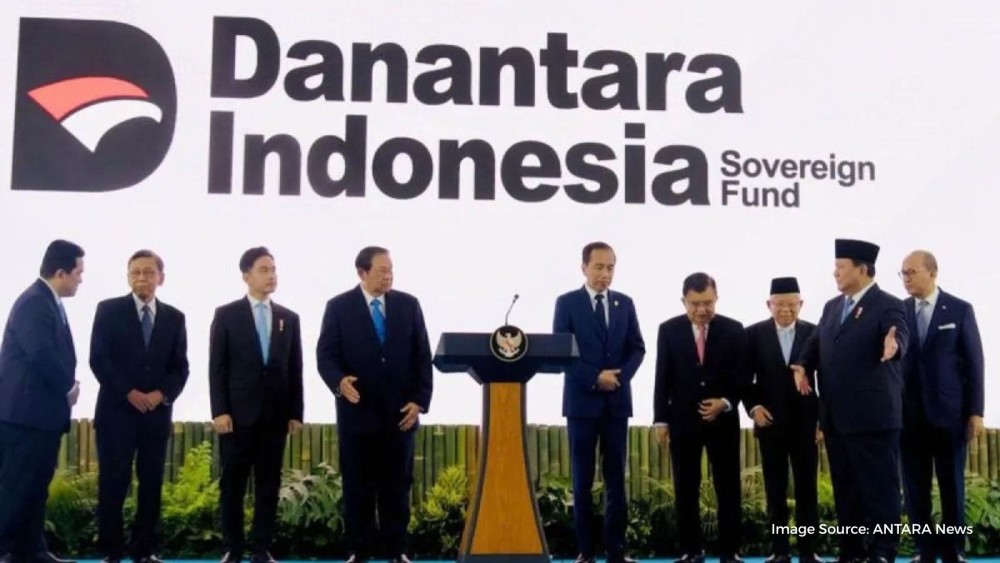
The planned entity, reported to be named Danantara Sumberdaya Indonesia, will operate under Danantara Investment Management. It is described by the government as a centralized “marketing facility” for commodity exports, intended to improve monitoring of transactions and address issues such as under-invoicing and transfer pricing.
According to statements cited by Antara, the regulation is intended to strengthen governance of commodity exports and ensure greater transparency in natural resource trade. The government has also referenced estimates of historical revenue losses linked to undervaluation of export transactions.
The three commodities included in the initial phase account for a significant share of Indonesia’s export earnings, with combined annual export values estimated at more than USD 65 billion, based on parliamentary figures reported by local media.
Implementation is expected to proceed in stages. A transition period is planned from 1 June to 31 August 2026, during which export transactions will gradually shift to the appointed entity while existing arrangements continue under monitoring, according to Reuters and The Jakarta Globe.
Full implementation is scheduled for 1 September 2026, when exports of covered commodities are expected to be conducted through the state-appointed entity under a business-to-business mechanism with domestic producers.
Officials have indicated the transition timeline may be adjusted depending on readiness. Reuters reported that the government has said exporters may continue operating during the transition period while the new system is phased in.
The announcement comes amid broader efforts by the government to strengthen revenue collection from natural resources and improve export governance. Some analysts cited by Reuters noted potential implications for pricing mechanisms and trading margins in affected sectors.
Market reactions were negative following the announcement, with Indonesia’s benchmark stock index falling during trading on concerns over tighter state control of commodity exports and possible impacts on profitability.
RELATED ARTICLES