BI Governor: Foreign Capital Inflows Return to Indonesia at USD 7.98 Billion in Q2
07 Jul 2026
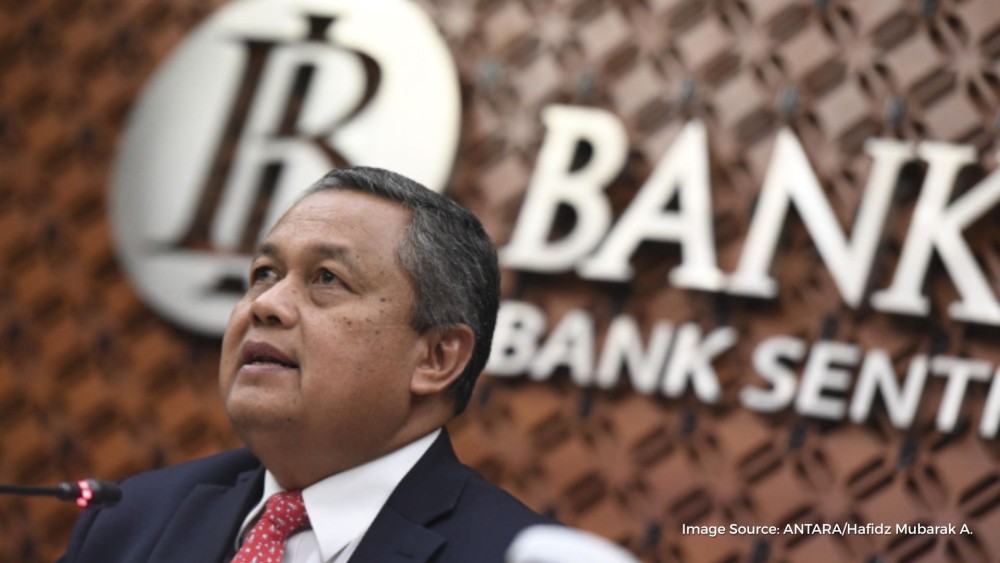
Bank Indonesia (BI) Governor Perry Warjiyo said foreign capital flows had started to return to Indonesia’s financial market in the second quarter of 2026, reaching USD 7.98 billion, or IDR 143.34 trillion, based on an exchange rate of IDR 17,960 per USD. This marked a reversal from the first quarter of 2026, which still recorded capital outflows.
Perry said BI and the government had agreed on measures to temporarily raise interest rates on Bank Indonesia Rupiah Securities (SRBI) and Government Securities (SBN) instruments to increase the attractiveness of investment in the domestic financial market.
He said the policy had succeeded in encouraging foreign funds to return while maintaining rupiah exchange rate stability.
“In the first quarter, there was still a total outflow of USD 1.47 billion, or IDR 26.4 trillion. However, in the second quarter, it has returned with total inflows reaching USD 7.98 billion, or IDR 143.34 trillion,” Perry said during a working meeting with the House of Representatives’ Budget Committee on Tuesday, July 7.
He detailed that, in the first quarter of 2026, SRBI instruments still recorded foreign capital inflows of USD 1.78 billion, or IDR 31.97 trillion. However, fund outflows from the stock market of USD 1.76 billion, or IDR 31.61 trillion, and from the SBN market of USD 1.46 billion, or IDR 26.22 trillion, caused total foreign capital flows to remain in negative territory.
Entering the second quarter of 2026, the situation reversed, with foreign capital inflows into SRBI reaching USD 8.48 billion, or IDR 152.3 trillion, and into SBN amounting to USD 1.78 billion, or IDR 31.97 trillion. Meanwhile, the stock market still recorded an outflow of USD 2.3 billion, or IDR 41.31 trillion.
Compensation Scheme and Win-Win Solution for the Government
In addition, Perry emphasized that Bank Indonesia was also preparing a compensation scheme for the government over the increase in interest costs caused by the higher SBN benchmark interest rate used to attract foreign capital inflows.
BI will increase the remuneration on government funds placed at Bank Indonesia. Previously, remuneration was given at 80% of the BI Rate. Going forward, the amount will be increased to above the BI Rate to offset the additional interest burden borne by the government.
“We will bear all the increase in interest costs. We will increase Bank Indonesia’s remuneration to the government, creating a win-win solution. The inflows will continue, the rupiah will remain stable, and we will return the interest burden. We will ensure it so the government no longer only reaches the break-even point,” he said.

RELATED ARTICLES