Indonesia Offers Lifeline to Airlines with Fare Hikes, Tax Relief Amid Oil Price Surge
08 Apr 2026
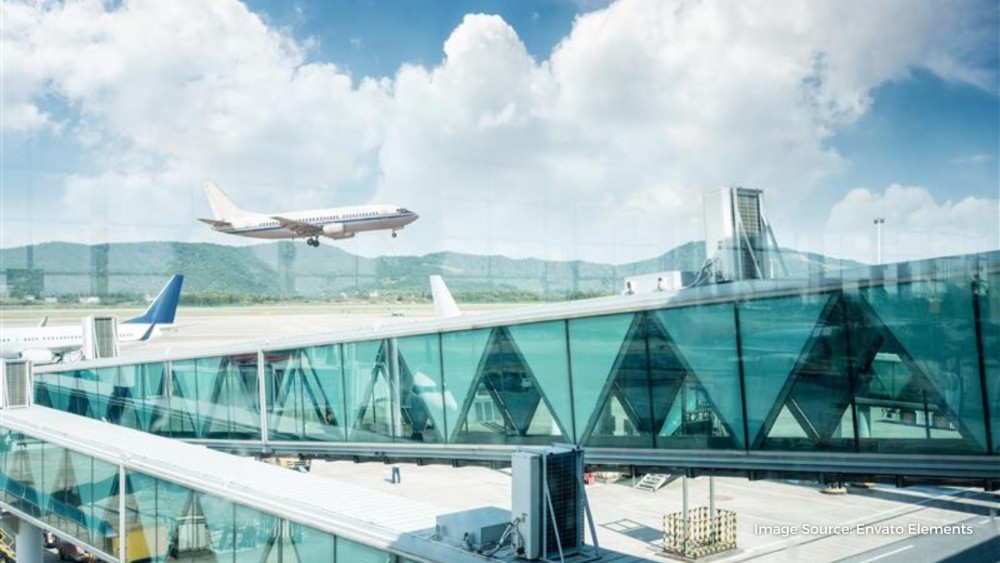
The Indonesian government has introduced a series of measures to support the domestic aviation industry, allowing airlines to raise fares by up to 13 percent, increasing fuel surcharges by as much as 38 percent, and temporarily cutting value-added tax (VAT) on tickets, as global oil prices surge following geopolitical tensions in the Middle East.
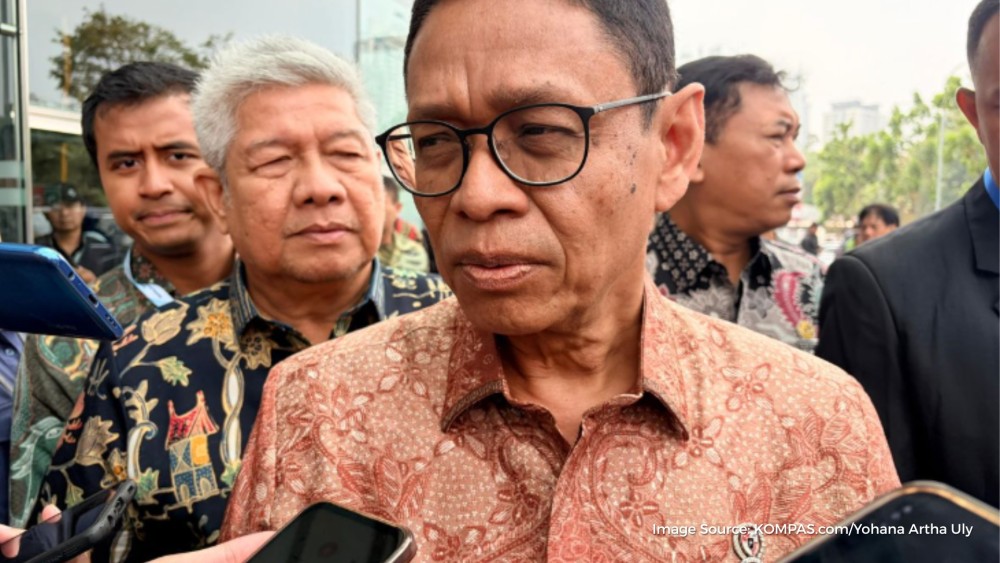
Coordinating Economic Affairs Minister Airlangga Hartarto said the policy package was designed to balance rising operational costs for airlines with consumer affordability.
“The government has prepared mitigation measures so that ticket prices remain affordable to people,” Airlangga told reporters in Jakarta on Monday.
Under the new policy, airlines are permitted to increase ticket prices within a range of 9 to 13 percent. At the same time, the government will bear the 11 percent VAT on domestic economy-class tickets, allocating around IDR 1.3 trillion (USD 76 million) per month for the subsidy.
“This way, we can keep the maximum airfare hike to fall between the range of 9 percent and 13 percent,” Airlangga said.
The measures will apply for an initial two-month period and remain subject to evaluation depending on developments in the Middle East conflict, which has driven global crude prices above USD 100 per barrel.
Transportation Minister Dudy Purwagandhi said the government had approved an increase in the fuel surcharge – an additional fee charged to passengers to offset fuel costs – to a maximum of 38 percent of the airfare ceiling for both jet and propeller aircraft.
“We have set the fuel surcharge increase at 38%. This decision was not taken unilaterally, but through coordination and input, particularly from the airlines,” Dudy said.
Airlines had initially requested a surcharge increase of up to 50 percent, but the government determined that 38 percent was the “ideal” level to prevent heavy industry losses while maintaining purchasing power.
“But after digging into their costs, we arrived at the conclusion that 38 percent is the ideal number, so the aviation industry is not drastically hit but people’s purchasing power can still be maintained,” Dudy added.
In addition to fare adjustments, the government has also waived import duties on aircraft spare parts to reduce operational costs for carriers.
The policy comes as aviation fuel prices in Indonesia have risen sharply following global trends. According to industry data, jet fuel prices at Jakarta’s Soekarno-Hatta International Airport increased more than 70 percent between March and April.
Energy and Mineral Resources Minister Bahlil Lahadalia said domestic aviation fuel prices remain competitive compared to other countries in the region despite recent increases.
“Aviation fuel prices follow global market mechanisms. There has been an increase from Pertamina, but compared with other countries, especially in the region, we remain more competitive,” Bahlil said.
The Indonesian National Air Carriers Association (INACA) said the measures would help airlines manage mounting cost pressures, although challenges remain.
“We appreciate the government’s policy, as it is not easy to respond to the sharp increase in jet fuel prices due to geopolitical tensions in the Middle East,” INACA Chairman Denon Prawiraatmadja said.
Airlines, including Indonesia AirAsia, have indicated that while the surcharge adjustment and tax relief provide some breathing room, they have not fully offset rising operational costs.
The government said the policy package aims to preserve connectivity across the archipelago while ensuring the aviation sector’s recovery momentum is maintained.