Prabowo Launches IDR 116 Trillion Downstreaming Push with 13 New Projects
29 Apr 2026
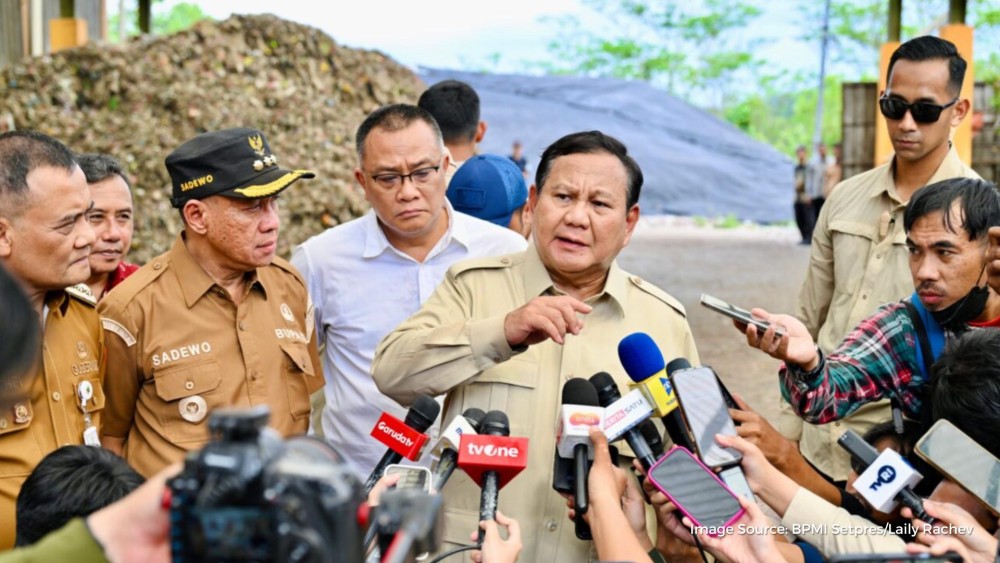
President Prabowo Subianto has launched the second phase of Indonesia’s downstreaming agenda, breaking ground on 13 projects valued at IDR 116 trillion (around USD 7.5 billion) in a move aimed at accelerating domestic industrialization and increasing the value of the country’s natural resources. The ceremony, held in Cilacap, Central Java on April 29, marks a continuation of a broader strategy to shift Indonesia away from raw commodity exports toward higher-value processing industries.
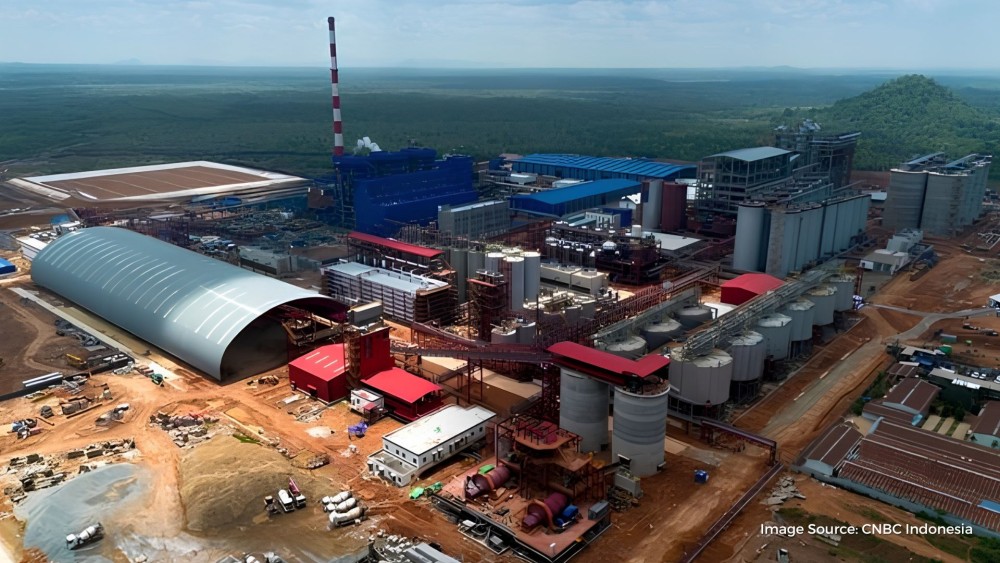
The projects are spread across key sectors, comprising five in energy, five in minerals, and three in agriculture, and will be implemented simultaneously across multiple regions. They include the construction of gasoline refineries in Cilacap and Dumai, fuel storage facilities in eastern Indonesia, coal-to-dimethyl ether (DME) processing in South Sumatra, and metal and agricultural processing plants from Sulawesi to Maluku.
Speaking at the ceremony, Prabowo framed downstreaming as central to Indonesia’s economic trajectory. “Downstreaming is the path to the revival of Indonesia,” he said, as quoted by Tempo.co. He added that the government intends to expand the program further within the year, noting plans to introduce additional phases and projects.
The refinery projects, led by state energy firm Pertamina, are expected to reach a combined capacity of 62,000 barrels per day and begin operations by the fourth quarter of 2030. According to Bisnis Indonesia, the facilities are projected to reduce gasoline imports by up to 2 million kiloliters annually, strengthening energy security. Complementing this effort, new fuel storage tanks in Palaran, Biak, and Maumere will add a combined capacity of 153,000 kiloliters, improving distribution reliability, particularly in eastern Indonesia.
In the energy transition segment, a coal-to-DME facility in Tanjung Enim is expected to produce 1.4 million tons per year, offering a domestic substitute for imported liquefied petroleum gas. The project involves state mining holding MIND ID and Pertamina, and is positioned as part of efforts to reduce reliance on imported energy sources.
Industrial downstreaming is also evident in the metals sector, where Krakatau Steel is involved in developing nickel-based stainless steel production in Morowali and carbon steel slab facilities in Cilegon. Meanwhile, processing of copper and gold in Gresik is intended to strengthen Indonesia’s position in higher-value mineral products.
Beyond heavy industry, the initiative extends to agriculture and plantation commodities. Facilities in Sei Mangkei will process palm oil into oleochemical and biodiesel products, while projects in Central Maluku focus on nutmeg processing into oleoresin and integrated coconut production for products such as MCT oil, coconut flour, and activated carbon. These efforts are intended to increase export value and diversify downstream products.
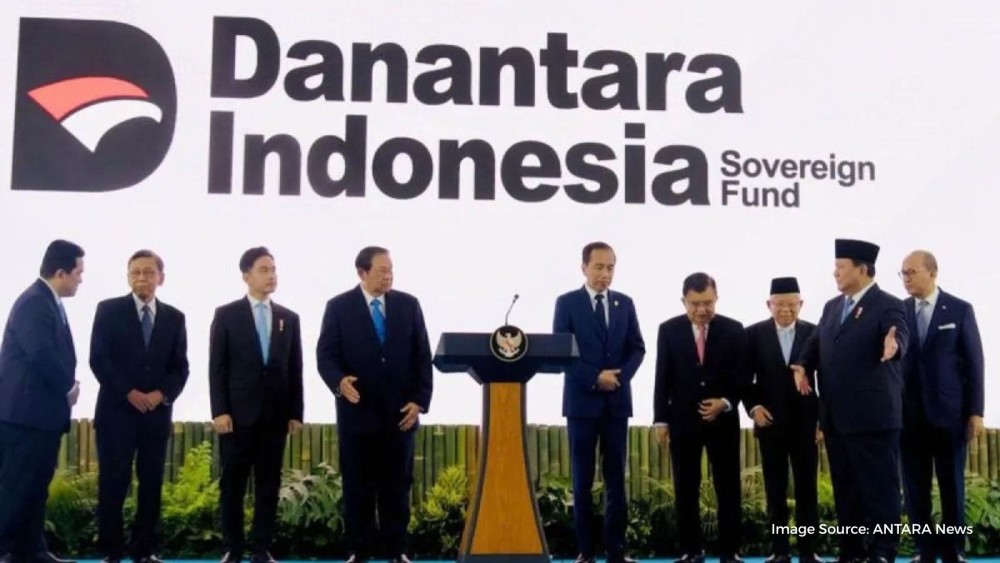
Government officials have also emphasized the broader economic impact of the program. Rosan Perkasa Roeslani, CEO of sovereign investment agency Danantara, stated that the downstreaming push could generate up to 600,000 jobs nationwide, while gradually reducing dependence on fuel imports, as reported by RRI.
The latest projects follow an earlier batch launched in February, bringing the total number of downstream initiatives underway this year to at least 26.
RELATED ARTICLES

COMPANIES IN THIS SECTOR