Indonesia Says Energy Supply Stable as Philippines Declares Emergency
25 Mar 2026
Indonesia has maintained that its national energy supply remains stable despite mounting global disruptions linked to escalating tensions in the Middle East, even as neighboring countries begin taking emergency measures.
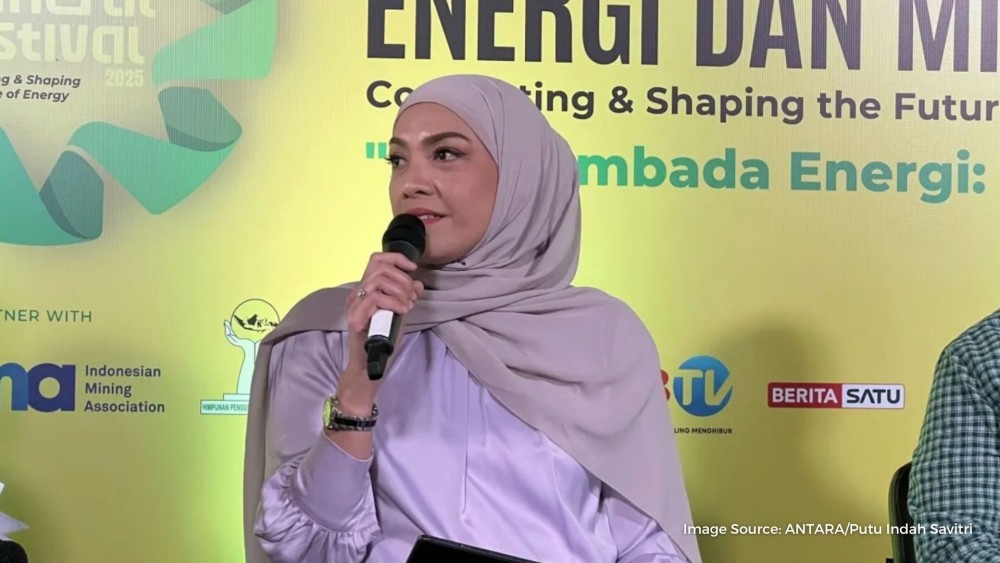
“As for Indonesia, the national energy supply remains at the safe and managed level, either for oil fuels and liquid petroleum gas,” ministry spokesperson Dwi Anggia said, as quoted by ANTARA News on Wednesday.
Officials noted that authorities are continuing to monitor the situation closely, particularly after reports of disruptions around the Strait of Hormuz, a critical corridor for global oil shipments to Asia.
While emphasizing that domestic supply remains under control, the government has begun preparing contingency measures to safeguard stability. These include closer coordination with energy stakeholders, tighter monitoring of distribution and efforts to diversify supply sources.
The government has also called for more efficient energy use among businesses and the public, framing the current response as precautionary rather than reactive.
At the same time, policymakers are weighing additional steps as oil prices climb above USD 100 per barrel, significantly exceeding the state budget assumption of USD 70.
Coordinating Economic Affairs Minister Airlangga Hartarto said the government is considering measures to curb fuel consumption, including partial work-from-home arrangements and online schooling. Reducing commuting, he noted, could lower fuel use by up to 20%.
Energy and Mineral Resources Minister Bahlil Lahadalia said authorities are reviewing a range of policy options aimed at mitigating the impact of higher energy prices while maintaining supply security.
The developments come as the Philippines declared a national energy emergency on March 24, citing risks of critically low supply linked to the same geopolitical tensions.
Manila has introduced a series of emergency measures, including financial aid for transport workers, free bus services in selected areas and stricter enforcement against fuel hoarding and price manipulation. Authorities have also been instructed to secure essential goods and prepare contingency plans for citizens in affected regions.
The Philippines sourced roughly a quarter of its energy from the Middle East in 2024, making it particularly vulnerable to supply disruptions.
Across Asia, governments are revisiting energy-saving policies in response to rising costs and uncertainty, including remote work arrangements, reduced travel and limits on electricity consumption.
Indonesian officials say current reserves and preparatory measures are intended to ensure stability as global energy markets remain volatile.
RELATED ARTICLES