Indonesia Strengthens Chemical Management as Part of OECD Accession Effort
15 Jul 2026
Indonesia is strengthening its chemical management framework as part of its bid to join the Organisation for Economic Co-operation and Development (OECD), with the government seeking to align domestic regulations with international standards while supporting the growth of the national chemical industry.
The initiative was discussed during the First Fact-Finding Mission on Chemicals Management Instruments, held in Jakarta from July 1–3, 2026, involving the OECD Secretariat and representatives from relevant Indonesian ministries and agencies.
Industry Minister Agus Gumiwang Kartasasmita said stronger chemical governance is both a requirement of the OECD accession process and a strategic measure to enhance the competitiveness of Indonesia's chemical sector.
"We are committed to aligning our chemical management policies and systems. This is expected to strengthen global confidence in Indonesian industry and expand market access for chemical products," Agus said, as quoted by Antara.
The minister described the effort as part of Indonesia's commitment to building a chemical industry that is safe, competitive, and sustainable. The broadcaster also noted that the discussions examined Indonesia's policies, regulations, implementation mechanisms, and readiness to harmonize its chemical management system with OECD standards.
The discussions and technical reviews provided the OECD Secretariat with a comprehensive assessment of Indonesia's preparedness to implement the organization's legal instruments governing chemicals management.
Industry Ministry Director of Upstream Chemical Industry Wiwik Pudjiastuti said the accession process provides momentum to improve chemical governance through policy harmonization and stronger coordination among government institutions.
"Through this process, we are not only aligning with international standards but also building a more transparent and effective chemical management system," Wiwik said, adding that the chemical industry has direct implications for public safety, human health, and environmental protection.
As reported by Antara and RRI, the government is strengthening oversight of hazardous chemicals while harmonizing regulations to ensure consistent implementation of health, safety, and environmental standards across the sector.
Indonesia's exports of chemical products and chemical-based goods reached US$5.97 billion in the first quarter of 2026, an increase of 16.83 percent compared with the same period in 2025. RRI also reported that imports increased during the period, reflecting higher industrial demand for raw materials.
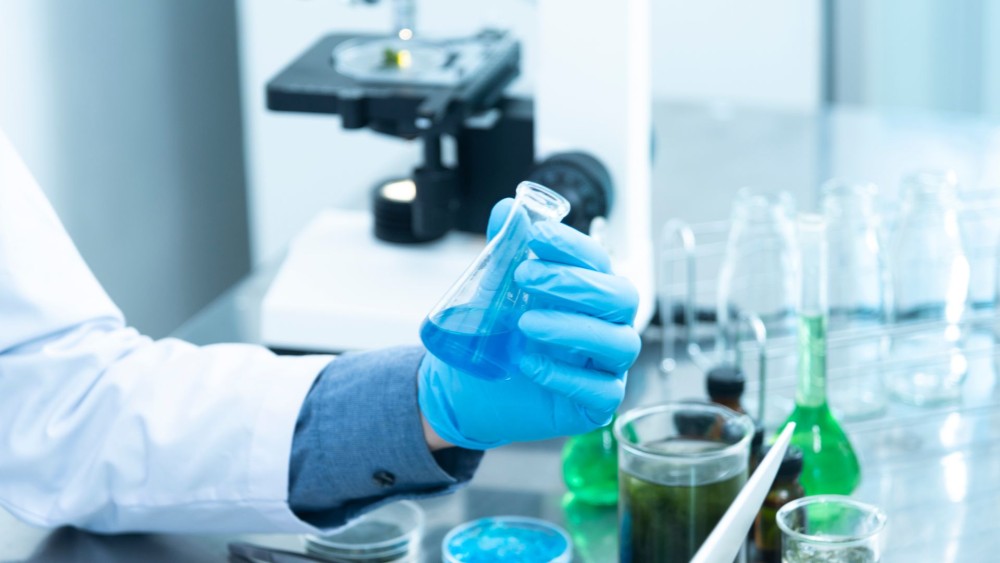
The three-day fact-finding mission included discussions on several OECD legal instruments, including the Global Framework on Chemicals, Mutual Acceptance of Data (MAD), Good Laboratory Practice (GLP), regulations on Polychlorinated Biphenyls (PCB), and pesticide management, according to RRI. Participants also visited a port to observe monitoring and control systems for chemicals and pesticides used in international trade.
Wiwik said successful OECD accession would require cooperation among government agencies, businesses, academia, and other stakeholders. She said such collaboration would support effective policy implementation while strengthening the competitiveness of Indonesia's chemical industry in global markets.

RELATED ARTICLES