Global Plastic Crisis Pressures Indonesian Industry, APINDO Urges Government Intervention
09 Apr 2026
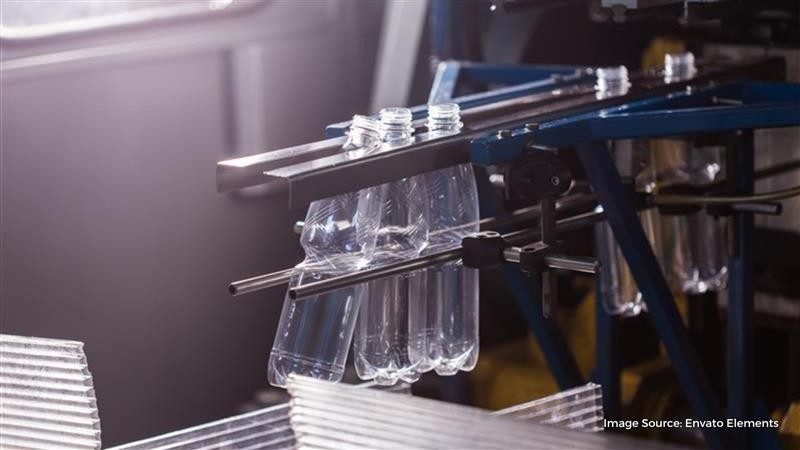
The Indonesian Employers Association (APINDO) has warned that the surge in domestic plastic prices, driven by the Middle East conflict, has moved beyond normal fluctuation patterns. Businesses are now urging the government to step in.
APINDO Chair Shinta Widjaja Kamdani said rising global plastic prices are already placing serious pressure on domestic industries. “In some cases, plastic prices have surged by more than 100%, and the situation could persist as supply remains extremely tight,” she told Katadata.co.id on Thursday (April 9).
She added that plastic components account for around 20 to 40 percent of total production costs, and can reach as high as 50 to 80 percent for certain products.
A complex mix of global factors has driven the price spike. Escalating geopolitical tensions have disrupted global energy supply chains, pushing up the cost of petrochemical feedstocks.
“Disruptions along strategic routes such as the Strait of Hormuz have driven up crude oil and naphtha prices, both key inputs for the global petrochemical industry,” she said.
These disruptions have also driven up logistics costs, from freight and insurance to delivery times. At the same time, tightening global supply has further strained availability. Together, these factors have sent plastic resin prices sharply higher.
The impact is spreading across multiple sectors, including food and beverages, fast-moving consumer goods, pharmaceuticals, logistics, and retail. Businesses now face a difficult balancing act: keeping products affordable while absorbing rising production costs.
“For MSMEs and sectors with thin margins, this pressure has already started to erode profitability and could threaten business continuity if it continues over the long term,” Shinta said.
Calls for Policy Response
Facing these pressures, APINDO has called on the government to act swiftly with targeted and balanced measures. In the short term, it urged authorities to secure the supply of raw materials and energy at competitive prices, including maintaining stable gas and electricity supply for industry.
APINDO also called for improved access to raw materials, which has become increasingly constrained. Shinta pointed to policy approaches in countries such as Thailand, where authorities have stepped in to control plastic raw material prices to stabilize the market.
Stronger supply chain oversight is also needed to ensure fair pricing and prevent distortions or speculative practices.
At the same time, Shinta said the crisis could serve as a catalyst to accelerate Indonesia’s transition toward a circular economy. She urged the government to gradually mandate the use of recycled materials in packaging.
Such measures should go hand in hand with incentives for businesses that adopt recycled inputs, as well as investment support for the recycling industry to build a closed-loop system.
“This approach not only addresses environmental concerns, but also helps ease pressure on plastic raw material supply and reduce import dependence,” she said.
Looking ahead, Shinta stressed the need to accelerate the development of Indonesia’s domestic petrochemical industry. This includes driving investment in technology and diversifying alternative feedstock sources, such as condensed LPG and bio-based materials.
These steps are crucial to strengthening industrial resilience amid global volatility while enhancing competitiveness.
“By combining short-term stabilization with long-term transformation, Indonesia can strengthen its industrial resilience while safeguarding businesses and jobs,” Shinta said.
This article is published in partnership with Katadata.
Original article here.

RELATED ARTICLES