Indonesia to establish State-Owned Textile Firm, Eyes Remaining Sritex Assets
20 Jan 2026
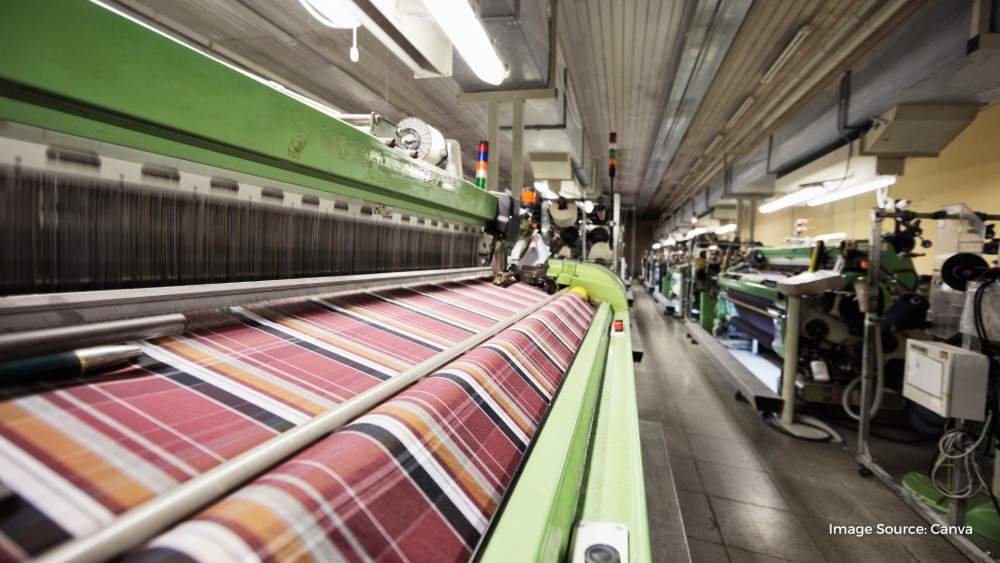
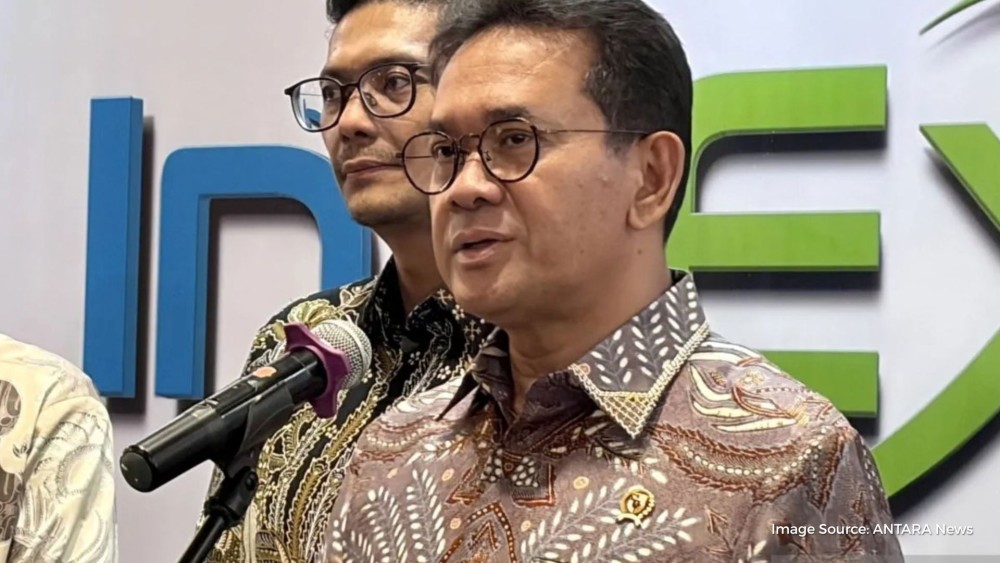
Minister of State Secretary Prasetyo Hadi said the government is in the process of establishing a state-owned enterprise (SOE) in the textile and garment sector. The planned SOE will be directly managed and placed under the authority of the Daya Anagata Nusantara Investment Management Agency (Danantara).
Prasetyo said the government has assigned a state-owned company to assist in resolving the case of PT Sri Rejeki Isman (Sritex), which was recently declared bankrupt by the Semarang District Court in Central Java.
The government considers it necessary for Sritex’s economic activities to continue, given that the company employs around 10,000 workers and makes a significant contribution to the production of garments and uniforms for both domestic and export markets.
“This process is ongoing. We hope that in the near future all procedures can be completed so that PT Sritex, in whatever form, can be saved, in the sense that its economic activities must continue,” Prasetyo told reporters at the Merdeka Palace in Jakarta on January 19.
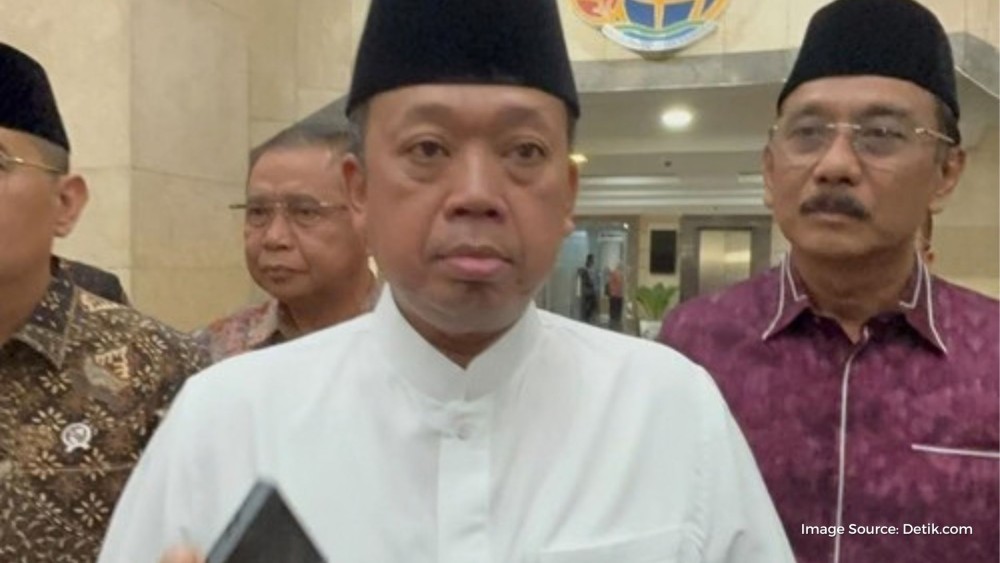
Plans to establish a textile SOE were first disclosed by Coordinating Minister for Economic Affairs Airlangga Hartarto. He said the plan was based on a directive from President Prabowo Subianto during a meeting in Hambalang, Bogor, West Java, on January 11.
According to Airlangga, the formation of a state-owned textile and garment company is intended to serve as a frontline measure to mitigate risks arising from United States trade tariff policies.
Airlangga added that studies related to the establishment of the textile SOE have been completed, and the government will proceed with drafting a roadmap to strengthen the national textile and textile products industry.
The government has prepared funding of USD 6 billion, equivalent to IDR 100.8 trillion, for capital goods procurement, adoption of new technologies, and efforts to boost textile exports.
“A new textile SOE will be established. It is not about reviving an old textile company,” Airlangga said during the Indonesian Business Council Business Outlook 2026 event in Jakarta on January 14.
Danantara Considers Options on Sritex Assets
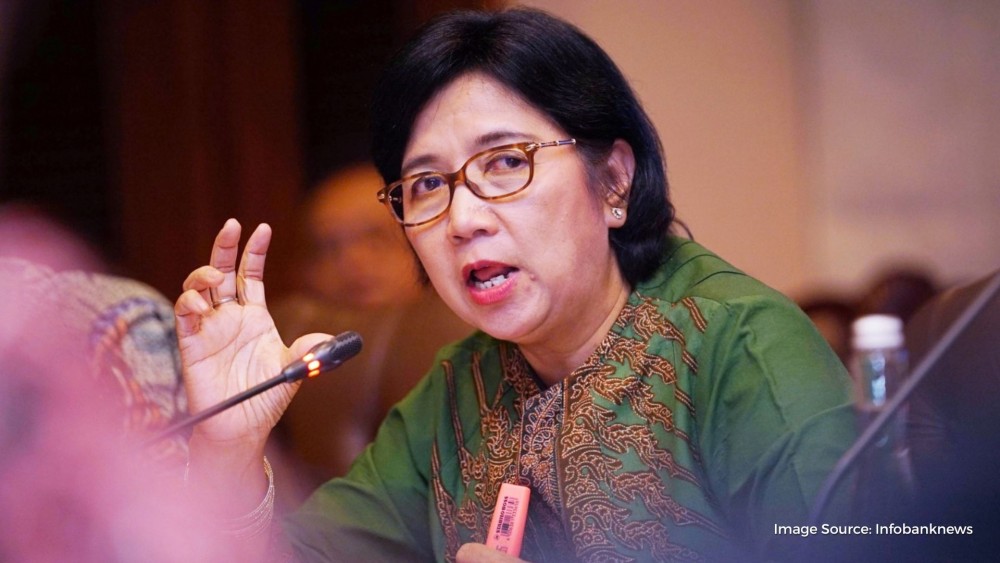
Regarding the mechanism for establishing the textile SOE, Danantara Chief Executive Officer Rosan P. Roeslani previously said there are at least two options under review. These include extending credit support or establishing a new state-owned company.
“Of course, there are criteria or parameters that must be met in our investment decisions. We are still assessing the available policy options,” Rosan said at the Ministry of Investment office in Jakarta on January 15.
One option under consideration is the acquisition of former assets of PT Sri Rejeki Isman. The Sritex Curator Team has decided that all land, buildings, machinery, and equipment owned by Sritex will be leased, with a total value of IDR 326.86 billion per year.
Rosan said Danantara is open to reviewing the option of acquiring these assets, despite the challenges associated with managing distressed assets. Key considerations include employment levels and the market potential of the textile industry both domestically and internationally.
He did not provide further details regarding the potential injection of fresh funds into the textile industry, estimated at around IDR 100 trillion. It was noted that the two policy options were announced by Coordinating Minister for Economic Affairs Airlangga Hartarto on separate occasions.
Indonesia previously had a state-owned textile and garment company, PT Industri Sandang Nusantara. The company was dissolved in 2023 through the issuance of Government Regulation No. 14 of 2023, signed by former President Joko Widodo.
In its consideration, the government stated that the company’s performance, market conditions, ability to adapt to disruption, and capacity to continue operations indicated that PT Industri Sandang Nusantara was no longer viable.
The dissolution followed a decision by the Minister of State-Owned Enterprises acting as the General Meeting of Shareholders, which had been agreed upon since February 2022.
The government subsequently initiated a liquidation process in accordance with prevailing regulations governing SOEs and limited liability companies. A maximum period of six years from the issuance of the regulation was set for completing the dissolution process, including liquidation. Any remaining assets from the liquidation must be transferred to the state treasury.
This article is published in partnership with Katadata
Original article here
RELATED ARTICLES