Indonesia Urges European Union to Comply with WTO Ruling to Restore Palm Oil Market Access
26 Feb 2026
The Indonesian government has urged the European Union to promptly implement the World Trade Organization (WTO) Dispute Settlement Panel ruling concerning the palm oil dispute (DS593: EU–Palm Oil).
Tuesday, February 24 marked the end of the 12-month reasonable period of time (RPT) granted to the EU to adjust policies and regulations found to be inconsistent with WTO provisions.
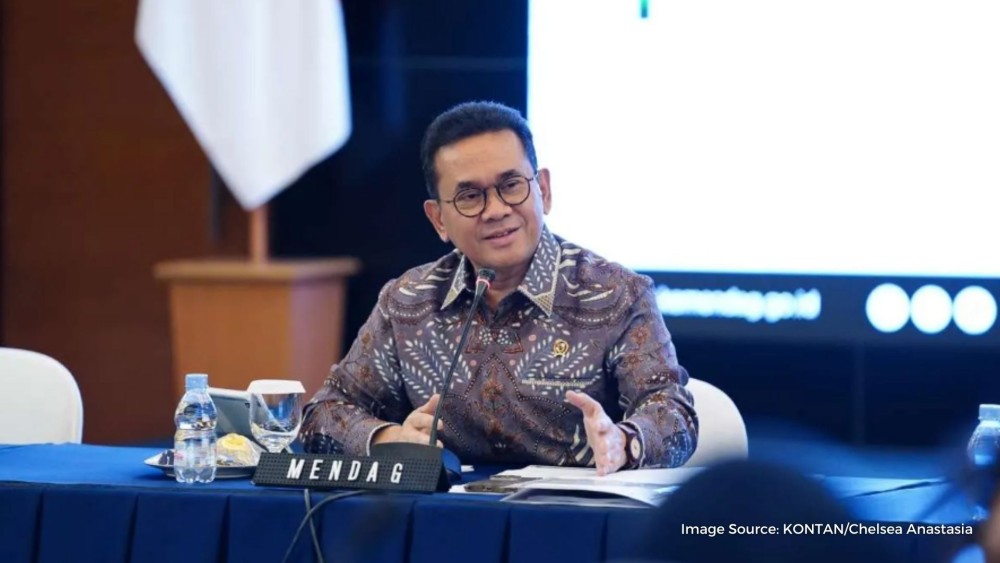
Trade Minister Budi Santoso stated that the government will continue to monitor and evaluate the various policy adjustments undertaken by the European Union. These adjustments are particularly related to the Indirect Land Use Change (ILUC) policy under Directive (EU) 2018/2001, known as Renewable Energy Directive II, along with its implementing regulations.
“We urge the EU to immediately comply with the WTO Panel’s ruling so that market access for Indonesian palm oil products in the EU can be restored without delay,” Budi said in a press release, as quoted on Thursday (February 26).
Following the conclusion of the implementation period, Indonesia will conduct a comprehensive assessment covering regulatory aspects, methodology, and trade impacts. This is to ensure that the EU has fulfilled the WTO Panel’s ruling by eliminating discriminatory treatment against Indonesian palm oil products.
Budi noted that the WTO ruling on the DS593 dispute, issued on January 10, 2025, found that the EU’s policy had discriminated against Indonesian palm oil-based biofuel products compared with non-palm oil biofuel products produced within the EU and in countries other than Indonesia. The ruling provided legal clarity that the EU’s policy was inconsistent with the WTO’s fundamental principle of non-discrimination.
At the regular meeting of the WTO Dispute Settlement Body (DSB) on January 27, 2026, the EU reported that its policy adjustments to accommodate the WTO decision were not yet complete.
Accordingly, the Indonesian government is preparing further measures and stands ready to engage in dialogue with the European Union to ensure preparedness from both legal and technical perspectives.
“To ensure readiness in terms of legal and technical aspects should further steps be required,” he said.
According to Budi, the approach being prepared reflects Indonesia’s commitment to protecting national interests while maintaining sustainable market access for Indonesian palm oil products in the EU.
Indonesia will closely coordinate with all stakeholders, including business actors and associations, to ensure that the handling of the case proceeds effectively and provides business certainty for the national palm oil industry.
“Indonesia supports the sustainability agenda and the global energy transition. However, sustainability policies cannot serve as a basis for implementing measures that contradict the fundamental principle of non-discrimination in the multilateral trading system,” he said.
This article is published in partnership with Katadata
Original article here
RELATED ARTICLES