Indonesian Business Groups Supports New Commodity Export Rules, but Seeks Clarity
03 Jun 2026

Indonesia's largest business associations have voiced support for the government's plan to centralize exports of strategic commodities under state-controlled exporter Danantara Sumberdaya Indonesia (DSI), while calling for clearer technical guidelines and a gradual rollout of the policy.
The Indonesian Employers Association (APINDO), alongside mining, coal, nickel and palm oil industry groups, said the policy could improve trade governance and help prevent under-invoicing and transfer pricing practices. However, they urged authorities to work closely with the private sector during implementation.
"The government needs to issue transparent technical guidelines to eliminate negative speculation and maintain international market confidence in Indonesia as a global commodity supplier," the associations said, as quoted by Reuters.
President Prabowo Subianto announced in May that Indonesia would centralize exports of selected commodities, including coal, crude palm oil (CPO) and ferroalloys, through DSI. The transition period began on June 1, with full implementation targeted no later than early next year.
According to industry groups, legal certainty remains a key concern. Businesses are seeking clarity on existing and long-term contracts, payment mechanisms, shipping arrangements, insurance coverage, export proceeds requirements and the treatment of international trade agreements.
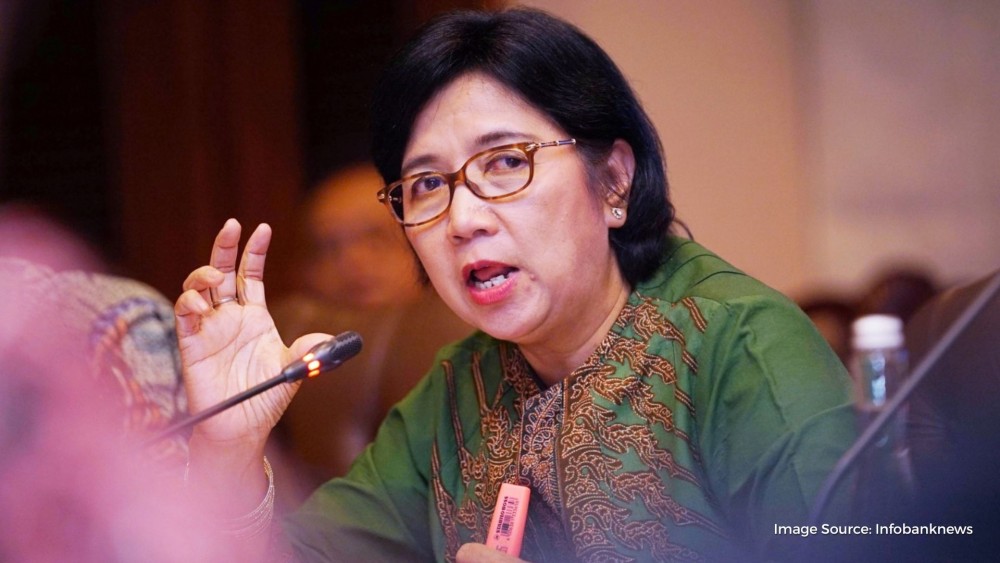
"We understand that this policy aims to increase trade transparency, prevent under-invoicing and transfer pricing, and ensure that export proceeds contribute optimally to the national economy," APINDO Chairwoman Shinta Kamdani said, as quoted by Reuters.
The new export framework comes as Indonesia also begins enforcing rules requiring natural-resource exporters to place export earnings in state-owned banks while limiting the conversion of those funds into rupiah.
Industry associations have proposed establishing a technical coordination forum involving government agencies, DSI, financial authorities and business representatives to address implementation issues, including pricing mechanisms, payment procedures and dispute resolution. They also called for the development of an integrated digital platform to improve transparency and monitor export transactions.
DSI has said it will honor existing long-term contracts but may seek to renegotiate prices if it identifies indications of under-invoicing. The company has also stated that it is developing technology to support trade monitoring under the new system.
Business groups said export activities should continue under existing arrangements during the transition period while supervision and supporting infrastructure are put in place. They also urged the government and DSI to conduct outreach to international buyers to ensure global markets understand the new export regime.
Reuters reported that representatives from DSI, the Coordinating Ministry for Economic Affairs and the Ministry of Finance had not responded to requests for comment on the concerns raised by industry groups.

RELATED ARTICLES
COMPANIES IN THIS SECTOR