Indonesia Seeks US Tariff Exemption for Palm Oil Exports
29 Jul 2026
The Indonesian government is seeking an exemption for palm oil exports from additional US import tariffs introduced following an investigation into forced labor in global supply chains.
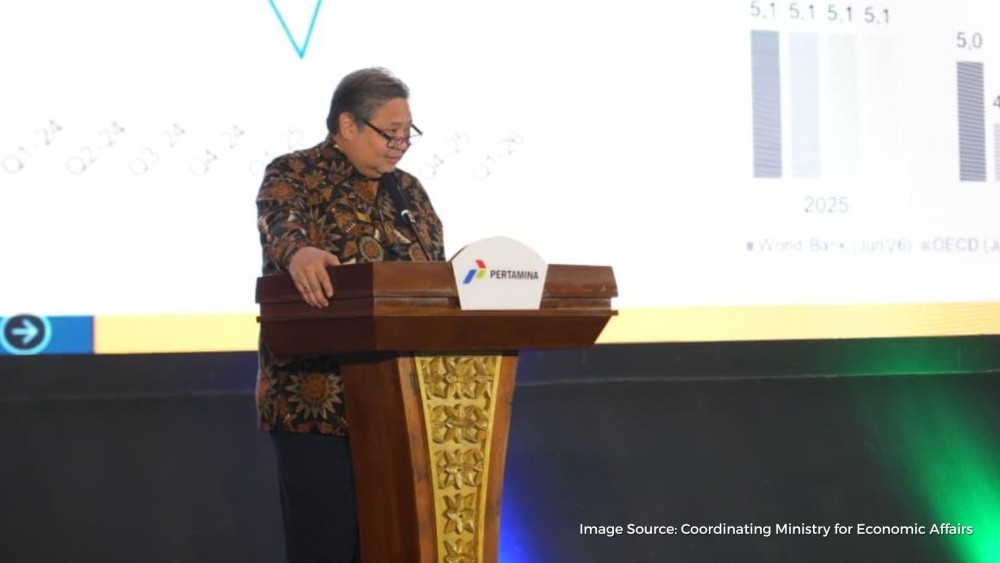
Coordinating Minister for Economic Affairs Airlangga Hartarto confirmed on Monday, July 27, that Jakarta had formally submitted the exemption request to US authorities.
“We are requesting that palm oil be exempted,” Airlangga said, as quoted by ANTARA News. He added that the request remained under review in Washington.
Indonesia, the world’s largest producer and exporter of crude palm oil, has also requested zero tariffs for several other natural resource commodities. Airlangga did not specify which additional products were included in the request.
The United States introduced tariffs ranging from 10% to 12.5% under Section 301 of the Trade Act of 1974. The measures followed a US investigation into whether trading partners had adequate policies to prevent goods produced using forced labor from entering American supply chains.
Indonesia is among 17 countries and territories subject to the lower tariff rate of 10%. The group also includes India and Malaysia. Countries assessed as noncompliant with US requirements face a tariff rate of 12.5%.
Airlangga said Indonesia’s position in the investigation was relatively favorable because the country had been assessed as compliant with US requirements. According to ANTARA News, the US evaluated around 60 countries as part of the investigation.
The latest tariffs took effect on July 24, when a temporary 150-day global tariff of 10%, imposed under Section 122 of the Trade Act, expired. The Section 301 duties were introduced after the US Supreme Court struck down the broader reciprocal tariffs introduced in 2025, according to The Jakarta Post.
In addition to the forced-labor investigation, the US Trade Representative is conducting a separate Section 301 investigation into alleged excess manufacturing capacity in Indonesia and 15 other economies.
“The excess capacity issue is still being investigated,” Airlangga said, as quoted by ANTARA News. He said the Indonesian government had responded to questions submitted by US authorities as part of the review.
Indonesian officials said they had provided complete responses to Washington and were awaiting a final determination. Haryo Limanseto, spokesperson for the Coordinating Ministry for Economic Affairs, said the US government was expected to announce the outcome of the excess-capacity investigation soon.
The US is one of Indonesia’s largest export markets and the country’s largest source of non-oil and gas trade surplus. Indonesia recorded a trade surplus of approximately USD 7 billion with the US during the first five months of 2026, according to data from Statistics Indonesia.
Johni Martha, the Trade Ministry’s director general of international trade negotiations, said on July 27 that diversifying Indonesia’s export markets would take time. He said the government was also managing the broader effects of the Agreement on Reciprocal Trade signed by Indonesia and the US on February 19.
Johni said Indonesian products did not directly compete with US products and that easier market access for American goods was therefore not expected to result in a sudden increase in imports. He added that ministries involved in implementing the agreement would need to balance their respective responsibilities with Indonesia’s national economic interests.
RELATED ARTICLES