May Inflation Surges, Economists Warn Public Purchasing Power Is Under Pressure
04 Jun 2026
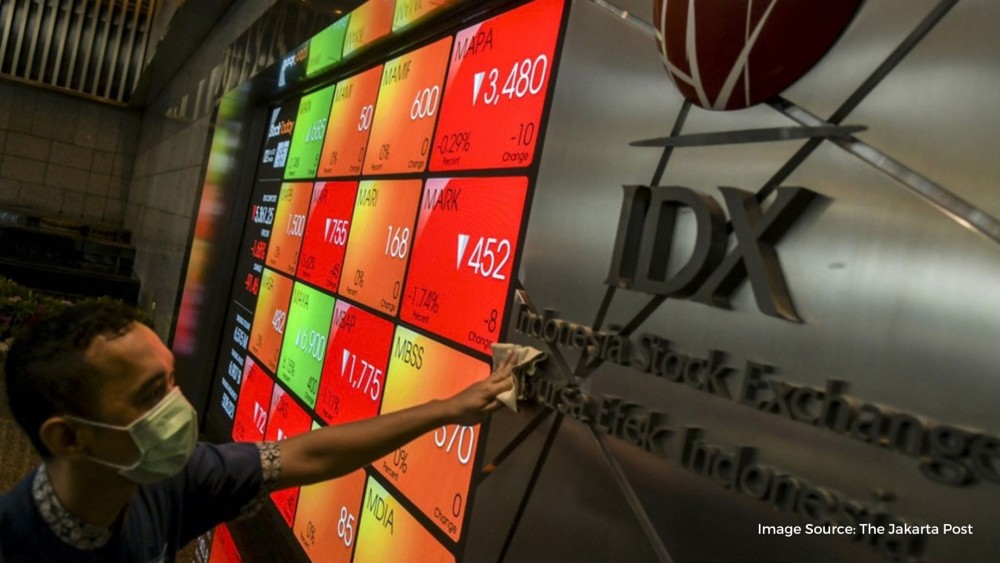
Indonesia’s inflation surge in May 2026 is seen as not yet fully reflecting a broad weakening of public purchasing power. However, economists warn that price pressures stemming from the supply side, the war in the Middle East, and the weakening rupiah could worsen household consumption conditions in the coming months.
Statistics Indonesia (BPS) previously reported that Indonesia’s annual inflation reached 3.08% in May 2026, rising sharply from 1.60% in the same period last year.
Although it remains within Bank Indonesia’s (BI) target range of 1.5% to 3.5%, the pace of inflation growth is considered something that needs to be watched.
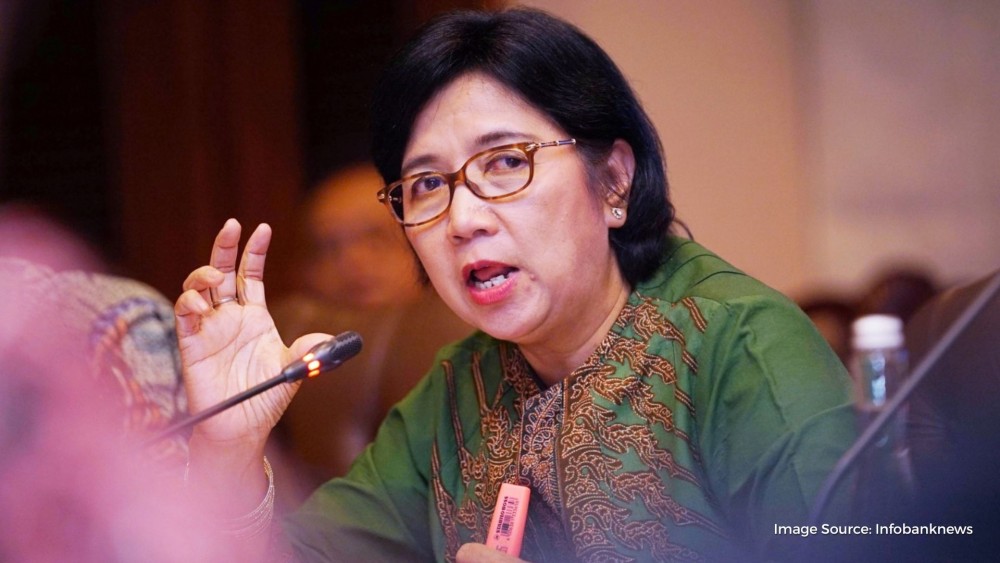
Center of Reform on Economics (CORE) Indonesia economist Yusuf Rendy Manilet said what needs to be observed is not only the fact that inflation remains within BI’s target, but also the acceleration of its increase over the past year.
“Within one year, the figure has nearly doubled. However, this increase cannot immediately be interpreted as a sign of weakening public purchasing power in general,” Yusuf told Katadata.co.id on Thursday, June 4.
According to him, current inflationary pressure is being driven more by supply factors than by a surge in domestic demand. The main drivers come from the food, beverage, and tobacco group, particularly increases in the prices of red chili, cooking oil, shallots, and rice.
In addition, the transportation group also contributed through increases in gasoline prices and airfares. “This type of inflation more closely reflects disruptions or adjustments on the supply side, which are volatile and seasonal,” he said.
Yusuf said the more relevant indicator for assessing public demand pressure is core inflation. In May 2026, core inflation stood at 2.59% year-on-year and was still considered moderate.
“Current data shows that the price pressure that has occurred is not yet structural,” he said.
Even so, he warned that the impact of food inflation is not felt evenly. Low-income households will be hit harder because most of their spending is allocated to food needs.
“On average, inflation is indeed still under control, but pressure on the purchasing power of lower-income groups is likely already much greater than reflected in the aggregate figure,” he said.
Yusuf also highlighted the increase in jewelry gold prices, which pushed inflation in the personal care and other services group to 10.35%. According to him, this condition could signal growing public caution toward economic conditions.
“In many cases, rising demand for gold more reflects people’s behavior in seeking hedging assets,” he said.
Geopolitical Impact on Domestic Inflation
CELIOS economist Nailul Huda said the impact of the prolonged war in the Middle East has begun to be felt more clearly in domestic inflation. According to him, increases in food and transportation prices are closely related to rising global energy and raw material costs.
“Rice was already predicted to increase due to higher fertilizer raw material costs. Meanwhile, cooking oil is related to plastic packaging, whose price has also risen,” Huda said.
He also highlighted high inflation in the transportation sector due to increases in aviation fuel prices and non-subsidized fuel prices.
“This can pressure public purchasing power because the inflation that is occurring comes from rising costs. Household consumption has the potential to slow,” he said.
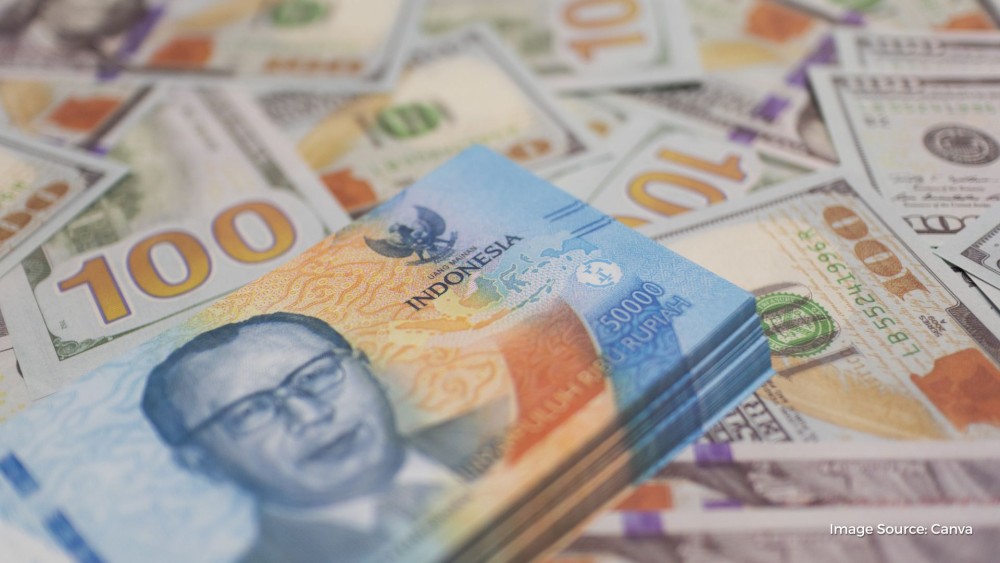
Huda warned that inflationary pressure could become heavier as the rupiah weakens, triggering imported inflation, or inflation caused by increases in the prices of imported goods.
“This weakening makes imported goods more expensive. Usually, the transmission to inflation occurs in the second or third month after a significant weakening,” he said.
According to him, the impact of the rupiah’s weakening will likely begin to appear in June or July 2026.
“Be prepared for goods prices in general to become more expensive,” he said.
Inflation Remains Under Control but Still Carries Risks
Yusuf estimates that inflation will remain under control in the next few months, but the risk of further increases tends to lean upward. He said the direction of inflation will depend heavily on food supply conditions and global energy prices.
“If agricultural production improves, distribution runs smoothly, and global oil prices remain stable, inflation has the opportunity to decline again toward the middle range of BI’s target by the end of the year,” he said.
However, if weather disruptions occur, logistics costs rise, or government-administered goods and services prices are adjusted, inflationary pressure could persist for longer.
Therefore, Yusuf emphasized that the main challenge for the government and BI at present is not only maintaining interest rates, but also ensuring that food supply, distribution, and public inflation expectations remain under control.
“The main source of current price pressure comes from the supply side. Without improvements in that area, monetary policy alone will not be effective enough to reduce inflation sustainably,” Yusuf said.
This article is published in partnership with Katadata
Original article here

RELATED ARTICLES