BI Holds Interest Rate at 4.75% to Maintain Rupiah Stability Amid Iran–US Conflict
17 Mar 2026
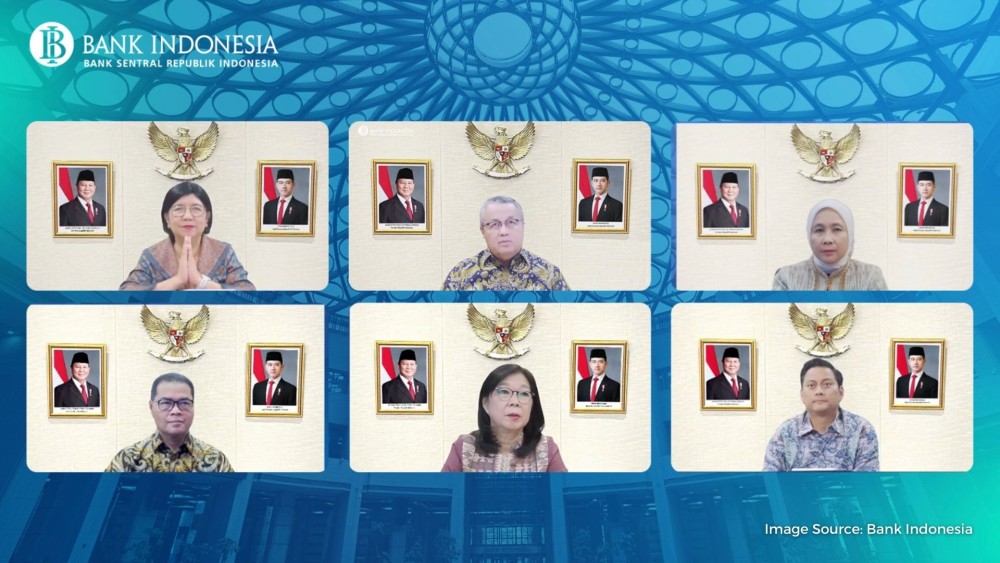
Bank Indonesia maintained its benchmark interest rate at 4.75% during the Board of Governors Meeting (RDG) held on March 16–17, 2026. The decision was taken amid weakening rupiah conditions, which had briefly surpassed the level of IDR 17,000 per USD during the Iran–US conflict.
The deposit facility rate was kept at 3.75%, while the lending facility remained at 5.50%.
“This decision aims to strengthen rupiah exchange rate stability against the impact of the Middle East conflict and to maintain the inflation target,” said Bank Indonesia Governor Perry Warjiyo during a press conference on Wednesday, January 21.
As of Monday, March 6, the rupiah stood at IDR 16,985 per USD, weakening by 121 bps compared to the end of February 2026, in line with the depreciation of non-USD currencies.
“The worsening global conditions due to the conflict have led to exchange rate pressures and capital outflows from emerging markets, including Indonesia,” he said.
Therefore, according to Perry, Bank Indonesia will increase the intensity of its rupiah stabilization measures through interventions in both offshore and onshore markets to maintain currency stability.
Bank Indonesia will also optimize all monetary instruments to encourage foreign capital inflows into Indonesia. “BI believes the rupiah will remain stable, supported by Bank Indonesia’s commitment, attractive yields, and improving economic prospects,” he added.
Bank Indonesia also noted that annual inflation in February 2026 had risen to 4.76%. However, the increase was temporary, driven by the impact of electricity tariff discounts implemented by the government in the previous year.
The central bank estimates that inflation will remain within the target range of 2.5% ± 1%, although slightly higher than previous projections. This reflects the impact of rising commodity prices amid escalating geopolitical tensions in the Middle East.
This article is published in partnership with Katadata
Original article here

RELATED ARTICLES