EU Expands Russia Sanctions, Proposes Measures Against Indonesian and Georgian Ports
11 Feb 2026
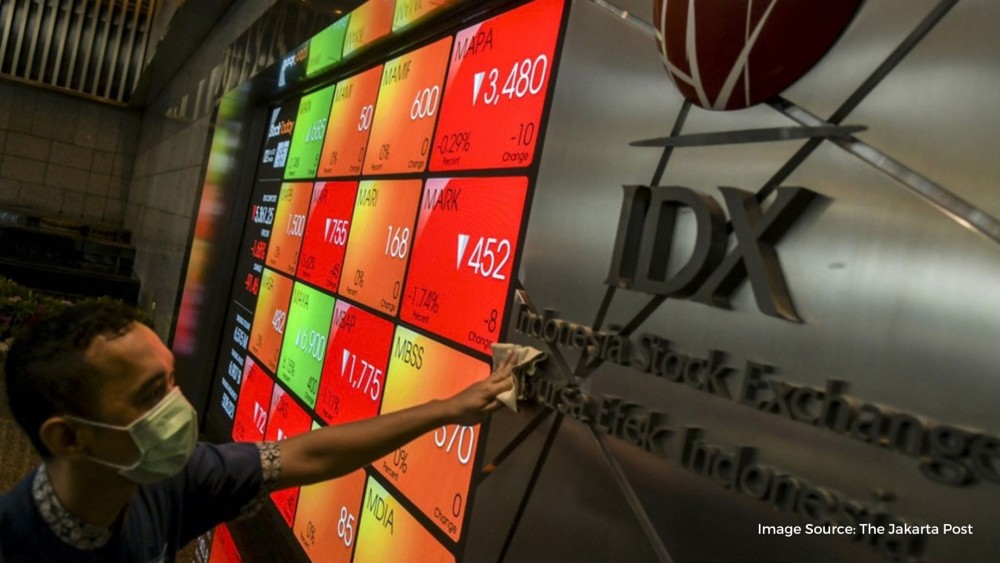
The European Union has proposed extending its sanctions against Russia to include ports in Georgia and Indonesia that handle Russian oil, marking the first time the bloc would target ports located in third countries.
According to a proposal document reviewed by Reuters and reported by The Jakarta Post, the measures would add the port of Kulevi in Georgia and the port of Karimun in Indonesia to the European Union sanctions list. If adopted, European Union companies and individuals would be barred from conducting transactions with either port.
The measures form part of the European Union’s 20th sanctions package in response to Russia’s war in Ukraine. The package was jointly drafted by the European External Action Service (EEAS) and the European Commission and was presented to member states on Monday. European Union sanctions require unanimous approval to enter into force.
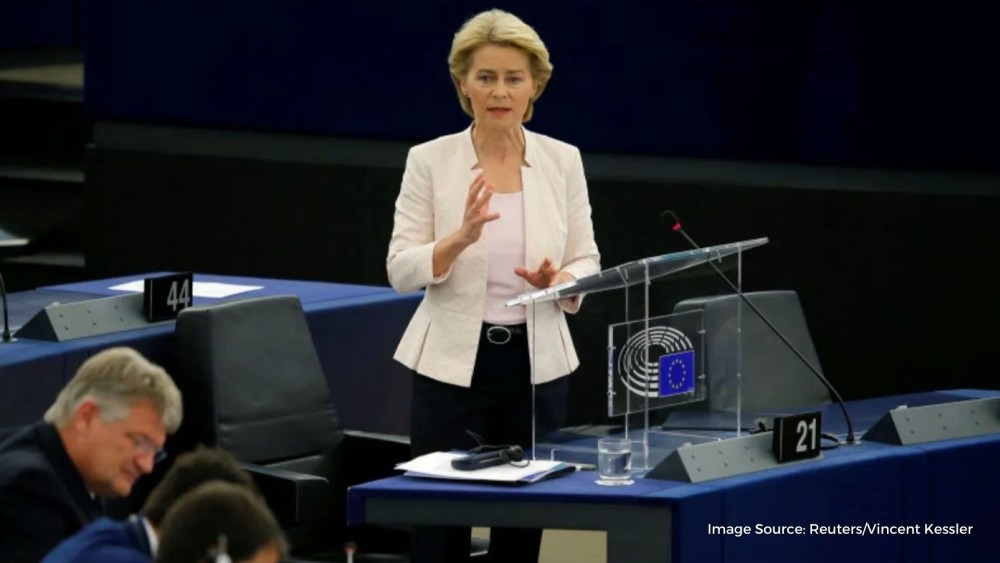
In a statement on the new package, European Commission President Ursula von der Leyen said Russia’s war against Ukraine was approaching 1,500 days. She stated that over the past year Russian forces advanced between 15 and 70 metres per day on average, seizing approximately 0.8% of Ukraine’s territory.
Von der Leyen said the 20th sanctions package covers energy, financial services and trade. On energy, she said the Commission is introducing a full maritime services ban on Russian crude oil. She stated that, as shipping is a global business, the European Union proposes to enact the ban in coordination with like-minded partners after a decision of the G7.
The proposal also includes listing 43 additional vessels identified as part of what the European Union describes as Russia’s shadow fleet, bringing the total number of listed vessels to 640. It includes bans on the provision of maintenance and other services for liquefied natural gas tankers and icebreakers.
In the financial sector, the Commission proposed listing 20 additional Russian regional banks. The package also includes measures targeting crypto currencies, companies trading them and platforms enabling crypto trade. It proposes targeting several banks in third countries involved in facilitating trade in sanctioned goods.
The proposal further introduces new export bans to Russia on goods and services valued at more than EUR 360 million, including rubber, tractors and cybersecurity services. It also proposes new import bans on metals, chemicals and critical minerals valued at more than EUR 570 million. Additional export restrictions on items and technologies used for Russia’s battlefield effort are included, along with a proposed quota on ammonia.
The European Union also proposes activating its anti-circumvention tool for the first time. This would prohibit exports of computer numerical control machines and radios to jurisdictions where there is a high risk of re-export to Russia. Separately, the proposal includes restrictions banning sales of metal cutting machines and communications machines for voice, image and data transmissions, such as modems and routers, to Kyrgyzstan.
Under the sanctions framework, which includes asset freezes and travel bans, the EEAS proposed adding 30 individuals and 64 companies. These include Bashneft, a subsidiary of Rosneft, as well as eight Russian refineries, including the Rosneft-controlled Tuapse and Syzran plants. The proposal does not include Rosneft or Lukoil.
Von der Leyen said Russia’s oil and gas revenues fell by 24% in 2025 compared with the previous year, reaching their lowest level since 2020. She also said interest rates stand at 16% and inflation remains high.
The 20th sanctions package remains under consideration by European Union member states and requires unanimous approval before entering into force.
Source: Reuters, The Jakarta Post, EC Press Release
RELATED ARTICLES