Government Pushes Hydrogen to Replace Diesel, Sets Price Benchmark Below Local Generation Cost
03 Feb 2026
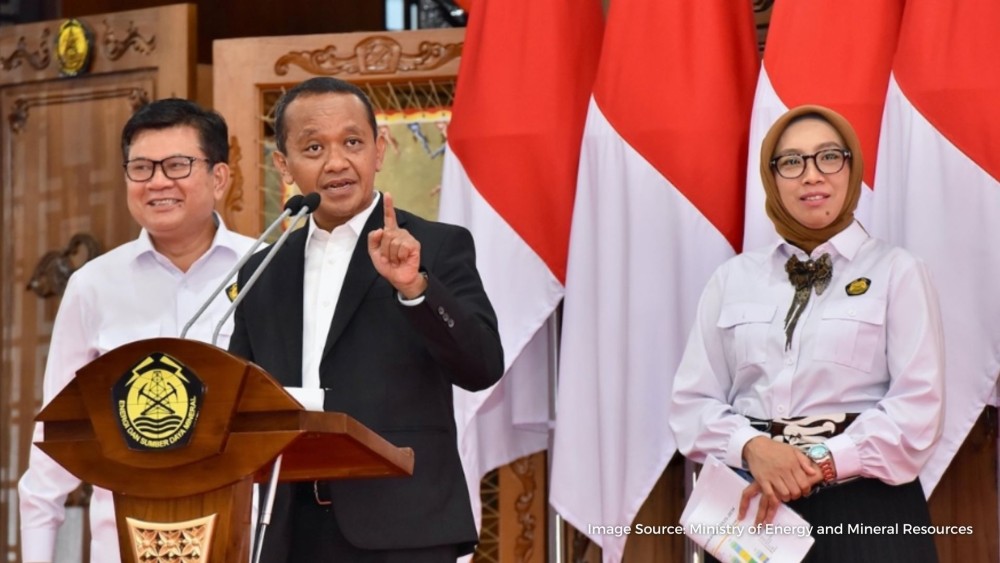
The government is accelerating the use of hydrogen as a substitute for diesel fuel, particularly for power generation in remote areas.
Director General of New, Renewable Energy and Energy Conservation at the Ministry of Energy and Mineral Resources (ESDM), Eniya Listiani Dewi, stated that hydrogen-based energy prices must be set below the local diesel-based Cost of Electricity Generation (HPP) in each region in order to be directly absorbed by state utility PLN.
According to Eniya, this pricing scheme is stipulated under Minister of Energy and Mineral Resources Regulation No. 19 of 2025 on renewable energy hybrid systems. A derivative regulation in the form of a Ministerial Decree is currently being finalized to clarify the pricing mechanism.
“If hydrogen is developed in remote areas with a capacity below 10 MW, the electricity can be sold to PLN as long as it is cheaper than the local diesel price. This presents a major opportunity to accelerate the de-dieselisation program,” Eniya said after the 4th Indonesia–Japan Hydrogen Ammonia Development Acceleration Forum in Jakarta on Tuesday, 3 February 2026.
She noted that diesel prices in Indonesia vary widely, ranging from USD 0.25 per kWh to as high as USD 1.19 per kWh in remote regions. With this benchmark, hydrogen-based power plants are expected to help reduce energy subsidies while lowering carbon emissions.
Special Regulation for Hydrogen and Green Ammonia
The government is also preparing a Draft Government Regulation specifically on hydrogen and ammonia, which will regulate investment incentives, business models, and integration with carbon trading mechanisms.
This regulation is expected to serve as a legal foundation for hydrogen projects that have already entered the development pipeline, including projects in Sumba, Aceh, Gresik, Patimban, and Kalimantan.
Eniya explained that the adoption of hydrogen aligns with President Prabowo Subianto’s directive to reduce dependence on diesel fuel.
“Indonesia remains highly dependent on diesel. Hydrogen, together with solar panels and batteries, forms part of the transition solution towards carbon-free energy,” she said.
Strategic Collaboration with Japan
Collaboration with Japan is considered strategic, as Japan and South Korea are among the most aggressive countries in developing the hydrogen market in East Asia. Japan is also projected to become the largest offtaker of hydrogen and green ammonia from Indonesia.
“Japan has long imported gas from Indonesia. Going forward, using the same infrastructure, cleaner hydrogen can be exported,” Eniya said.
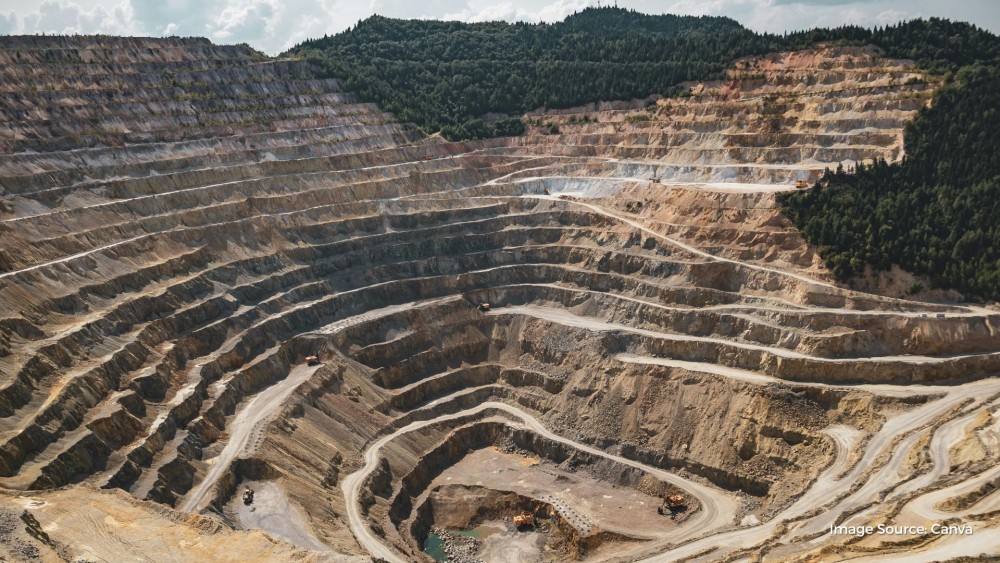
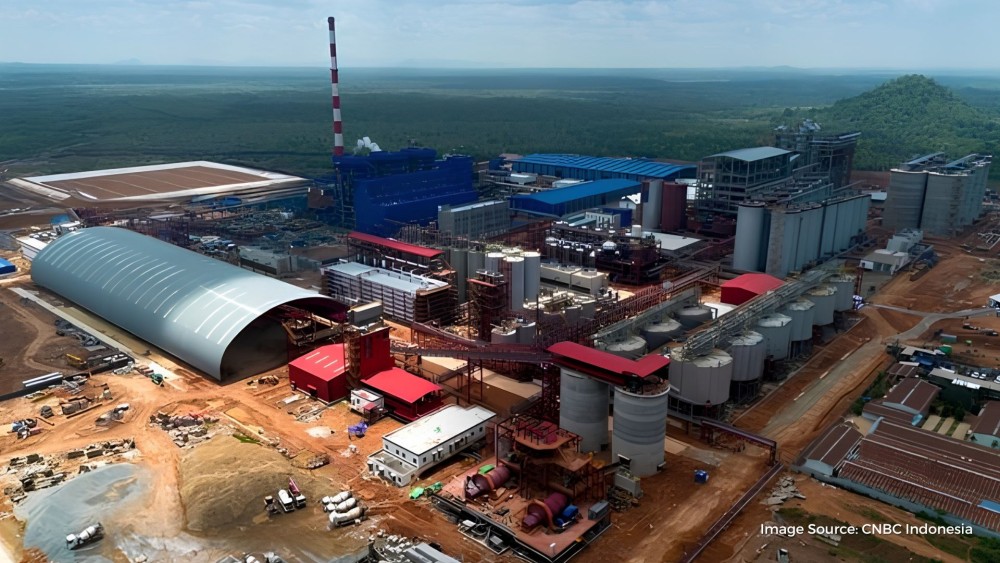
Domestically, several initiatives are already underway. PLN has produced green hydrogen at 22 locations, while the mining sector has begun combining solar power, geothermal energy, and hydrogen to reduce diesel consumption. In the transportation sector, Pertamina and Toyota have also launched a pilot project to utilize hydrogen as vehicle fuel.
Globally, hydrogen demand has reached approximately 100 million tonnes per year and is growing by 2%. Indonesia has the potential to become a major producer due to its abundant renewable energy resources. The government is targeting nearly 200 tonnes of green hydrogen to enter the market in 2026.
“The key lies in competitive pricing and clear regulation. The roadmap must translate into concrete action, not just remain a document. With the right ecosystem, hydrogen can become a new pillar of national industrial competitiveness,” Eniya concluded.
This article is published in partnership with Katadata
Original article here
RELATED ARTICLES