Steel Industry Faces Demand and Import Pressure Amid Indonesia's Manufacturing PMI Contraction
08 Sep 2026
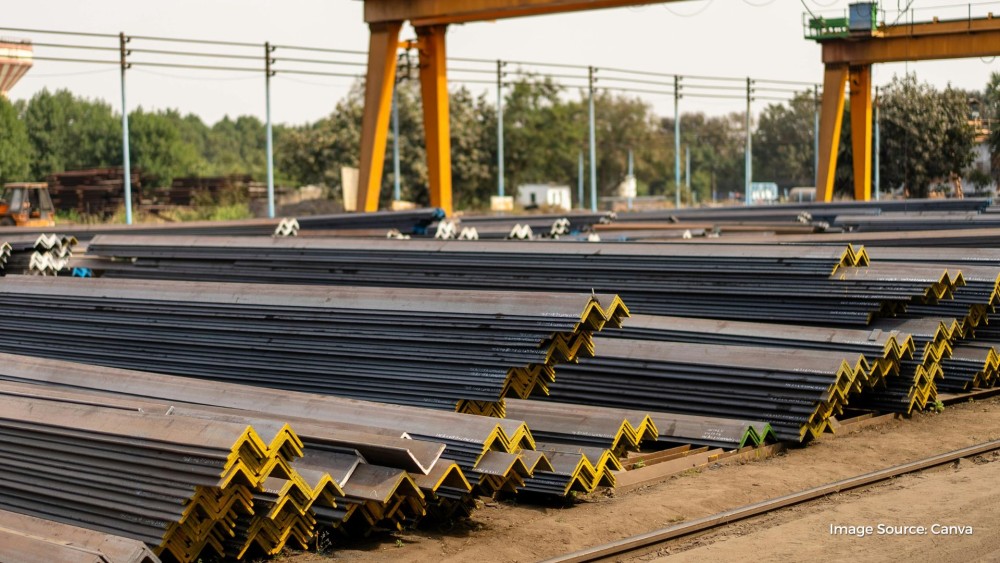
The national iron and steel industry continues to face pressure in the second half of 2026, occurring alongside a renewed weakening of national manufacturing activity. Indonesia's Manufacturing Purchasing Managers’ Index (PMI) fell back to 49.8 in August 2026, after briefly recovering into the expansion zone the previous month. A PMI below 50 indicates a return to contraction in manufacturing activity.
Amid these conditions, production utilization in the national steel industry currently stands at around 52.7%. Executive Director of the Indonesian Iron and Steel Industry Association (IISIA), Harry Warganegara, noted that this low utilization requires serious attention, as steel serves as a foundational industry supplying key sectors including construction, infrastructure, manufacturing, automotive, and capital goods.
Increasing production utilization depends heavily on strengthening domestic demand. With national steel production capacity already substantial, domestic market growth is a critical factor for industry sustainability.
"The national steel industry's utilization rate currently remains around 52.7%, though utilization levels may vary across product segments and individual companies," Harry told Katadata.co.id on Tuesday, 8 September.
Domestic Demand Remains Weak
Pressure on the steel industry mounted as national manufacturing activity contracted again in August 2026, impacting the domestic absorption of steel products. IISIA stated that weak domestic demand remains one of the industry's primary challenges. Industrial and construction activities that have not fully recovered have made consumers and businesses more cautious in their purchasing decisions.
Yet, national steel demand is considered substantial, particularly for infrastructure development, housing, construction, transportation, energy, automotive, and manufacturing expansion.
"Domestic absorption is indeed still facing pressure. Industrial and construction activities that are not yet fully robust cause consumers and businesses to remain cautious," Harry said.
As a result, industry stakeholders argue that steel needs must be converted into effective demand that domestic producers can absorb. Accelerating development and strengthening steel-consuming sectors are viewed as crucial to raising industrial utilization.
In addition to weak demand, competition from imported products remains a key concern for the national steel industry. Harry noted that imports are still necessary to fulfill specific products or specifications that cannot yet be produced domestically. However, trade must remain fair so domestic producers have an equal opportunity to compete.
Beyond imports, the steel industry faces pressure from energy costs, raw material prices, logistics expenses, global steel prices, and regulatory certainty. These factors directly affect production costs and the competitiveness of the national steel industry.
Cautious Approach to Production and Investment
Low demand and utilization levels have also led industry players to take a more cautious approach to production volumes and investments in the second half of the year. Harry mentioned that production will be adjusted to align with demand trends, preserving efficiency while preventing inventory buildup.
Meanwhile, investment commitments in the industry remain, particularly for downstream development, production efficiency, and value-added products. However, businesses require certainty regarding market prospects and the investment climate before executing these investments.
"When demand is not strong enough and utilization remains suppressed, industry players will be more cautious in determining production volumes and investments," he said.
He urged the implementation of stronger demand assurance, including through increased use of domestic products, accelerated execution of strategic and construction projects, and the creation of a level playing field between domestic and imported steel. With demand strengthened, the industry hopes market growth will drive increases in production, utilization, and investment across the national steel sector.
This article is published in partnership with Katadata
Original article here


RELATED ARTICLES



COMPANIES IN THIS SECTOR