Indonesia Eyes Russia and Brunei Oil Supplies as Government Maintains Energy Stability
18 Mar 2026
Indonesia is considering expanding its oil and gas import sources to include Russia and Brunei Darussalam, as the government seeks to secure domestic energy supply amid global geopolitical tensions.
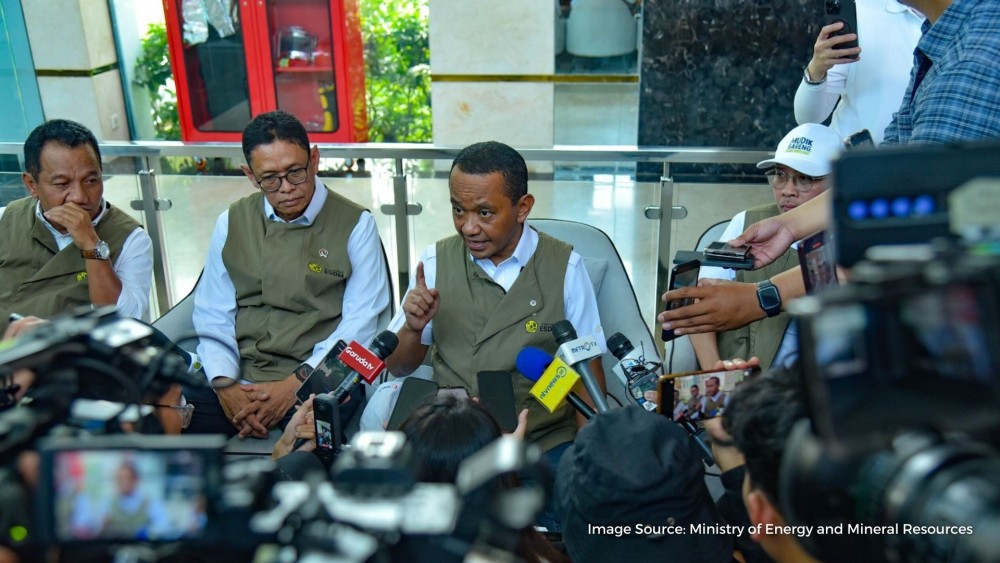
Energy and Mineral Resources Minister Bahlil Lahadalia said the government is prioritizing supply availability and price competitiveness in determining potential partners.
“All countries are possible partners. What matters for us is that supply is available and prices remain competitive,” Bahlil said, as quoted by Tempo.
The consideration to import oil from Russia follows a 30-day waiver issued by the United States, allowing countries to purchase sanctioned Russian oil and petroleum products stranded at sea, according to Reuters. The development has opened opportunities for Indonesia to explore alternative supply channels.
In parallel, Indonesia is also assessing energy cooperation with Brunei Darussalam, particularly for the supply of C3 and C4 gas, which can be processed into feedstock for liquefied petroleum gas (LPG). The government is evaluating options to either import the gas directly or develop LPG processing facilities in Brunei for export to Indonesia.
“We can either take their supply or develop the LPG industry there for export to Indonesia,” Bahlil said, as quoted by Tempo.
The move comes as global oil prices rise amid tensions in the Middle East. Brent crude reached around USD 102.69 per barrel, while US West Texas Intermediate stood at approximately USD 95.92, according to Jakarta Globe. The increase reflects ongoing uncertainty surrounding shipping routes, particularly in the Strait of Hormuz.
Despite global developments, the Ministry of Energy and Mineral Resources stated that domestic energy supply remains stable. Fuel, LPG, and electricity availability are within national minimum stock standards, and coal supply for power plants remains within the required threshold, averaging 14 to 15 days.
“The availability of fuel, LPG, and electricity in Indonesia remains under control, safe, and in line with national minimum stock standards,” Bahlil said, as quoted by the Ministry of Energy and Mineral Resources.
The minister also said additional LPG supply is expected to arrive by the end of the month, ensuring availability during the holiday period.
In terms of pricing policy, the government has not adjusted subsidized fuel prices and stated that subsidies remain under control. Authorities emphasized that Indonesia applies its own pricing framework and does not directly follow policies implemented by other countries, as quoted by the Ministry of Energy and Mineral Resources.
A broader review of energy and fiscal policies is scheduled for the second quarter of 2026, as the government prepares further measures to maintain supply stability.
“We will reassess after March. We are not in a position to predict everything, but what is important is that we plan well,” Bahlil said, as quoted by Jakarta Globe.
The Ministry also noted developments in the Strait of Hormuz, where partial reopening policies have allowed limited passage for certain vessels.
“We are seeing some positive developments in the Strait of Hormuz, which provide a constructive signal,” Bahlil said, as quoted by the Ministry of Energy and Mineral Resources.
RELATED ARTICLES