Indonesia Posts First Trade Deficit in Six Years as June Inflation Rises to 3.34%
01 Jul 2026
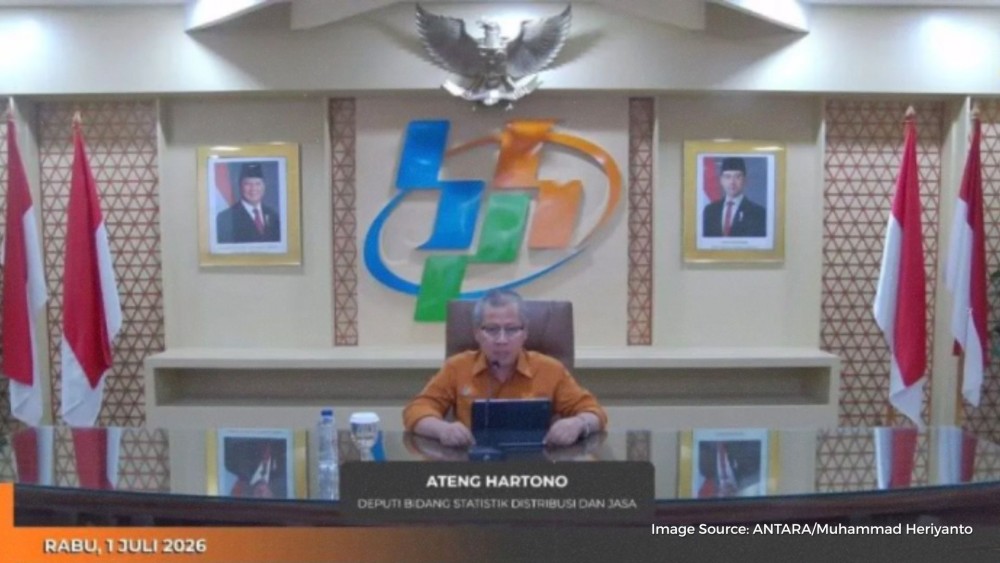
Indonesia recorded a trade deficit of USD 1.61 billion in May 2026, ending a monthly surplus streak that had lasted since May 2020, as exports fell and imports increased amid higher oil and gas purchases, official data showed.
Statistics Indonesia (BPS) said the May deficit was driven mainly by the oil and gas sector. Indonesia’s trade balance had weakened to a surplus of USD 89.1 million in April before turning negative the following month.
“Oil and gas deficit of USD 3.76 billion had mainly driven the negative trade balance [in May],” BPS Deputy Ateng Hartono said, as quoted by Jakarta Globe.
Indonesia’s non-oil and gas trade still recorded a surplus of USD 2.15 billion in May. However, total imports rose 22.16% year-on-year to USD 24.81 billion, while exports fell 5.73% to USD 23.2 billion, according to Reuters.
Oil and gas imports jumped 70.78% year-on-year to USD 4.51 billion in May, while non-oil and gas imports increased 14.89% to USD 20.30 billion. Reuters reported that refined oil purchases rose 99.5%, reflecting elevated global oil prices and a 13% increase in import volume.
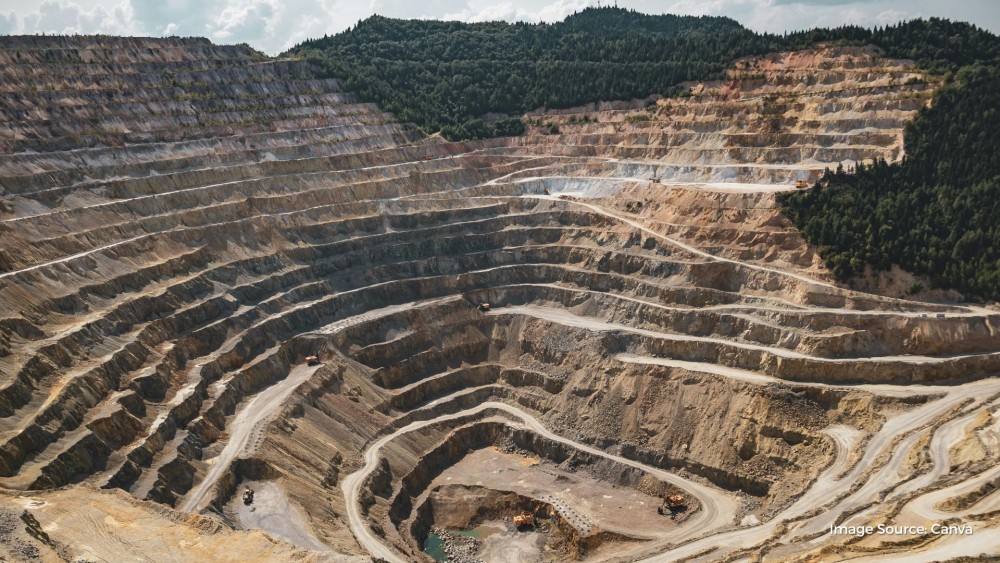
BPS data also showed that exports of mining products dropped 7%, with coal and steel product shipments declining in both volume and value during the January-May period. Imports of raw materials rose 25.2% year-on-year, led by mineral fuels, plastics, iron and steel products, while the arrival of several jets from France also contributed to higher imports.
China remained Indonesia’s largest contributor to the overall negative trade balance. Jakarta Globe reported that Indonesia’s trade deficit with China widened from USD 8.15 billion in January-May 2025 to USD 10.17 billion in the same period of 2026.
Indonesia had maintained a trade surplus every month since May 2020, after recovering from the effects of the Covid-19 pandemic. The May 2026 deficit was the widest since April 2019, according to Reuters.
Global oil prices and the rupiah exchange rate were also cited as factors affecting the trade balance. DBS economist Radhika Rao said high global oil prices and the impact of the rupiah “are expected to ease in June, as the de-escalation in global geopolitical tensions led to a sharp correction in oil benchmark prices, improving the terms of trade and reducing external sector pressures from (the third quarter) onward,” as quoted by Reuters.
Separately, BPS reported that Indonesia’s annual inflation accelerated to 3.34% in June 2026 from 3.08% in May, moving closer to the upper end of Bank Indonesia’s target range of 1.5% to 3.5%. The June figure was higher than the 3.2% median forecast in a Reuters poll.
“There was inflation in June 2026 that was higher than inflation in May 2026,” Ateng said, as quoted by ANTARA News.
On a monthly basis, inflation stood at 0.44% in June, while calendar-year inflation reached 1.79%. BPS said the Consumer Price Index rose to 111.89 in June from 111.40 in May.
BPS attributed the monthly inflation mainly to higher gasoline prices, airfares and lubricants or engine oil. The transportation group recorded monthly inflation of 2.29%, contributing 0.28 percentage points to June inflation.
“Commodities that dominantly drove inflation in the transportation group included gasoline, airfares and lubricants/engine oil. Gasoline contributed the highest inflation share at 0.21 percentage points. Airfares contributed 0.05 percentage points, while lubricants/engine oil contributed 0.01 percentage points,” Ateng said, as quoted by ANTARA News.
Food, beverages and tobacco also contributed to monthly inflation, with the group recording inflation of 0.20% and contributing 0.06 percentage points. Commodities contributing to inflation included shallots, garlic, rice, carrots, fresh fish, cooking oil, red chili, beef and bird’s eye chili.
Several food items helped offset inflation, including broiler chicken meat, eggs, mustard greens and cucumber, which recorded deflation.
On an annual basis, inflation was driven mainly by food, beverages and tobacco, which contributed 1.36 percentage points with an inflation rate of 4.67%. Personal care and other services followed, contributing 0.69 percentage points with an inflation rate of 10.10%.
Core inflation rose to 2.76% in June from 2.59% in May, higher than the 2.61% forecast in a Reuters poll. All inflation components recorded annual increases, with core inflation contributing 1.77 percentage points, volatile prices contributing 0.91 percentage points and administered prices contributing 0.66 percentage points.
Bank Permata economist Faisal Rachman said further monetary tightening remained possible if conditions worsened. “At this stage, we do not rule out the possibility of another BI rate hike in 2026 should conditions deteriorate further,” he said, as quoted by Reuters.
“Nevertheless, our baseline scenario remains that BI will keep the policy rate unchanged at 5.75%, as we believe the latest rate hike has already incorporated probability of the Fed Funds Rate hike by (the end of the fourth quarter),” he added, as quoted by Reuters.
RELATED ARTICLES