Indonesia State Miner Perminas Signs MoU to Explore Gabon Rare Earth Project
18 Feb 2026
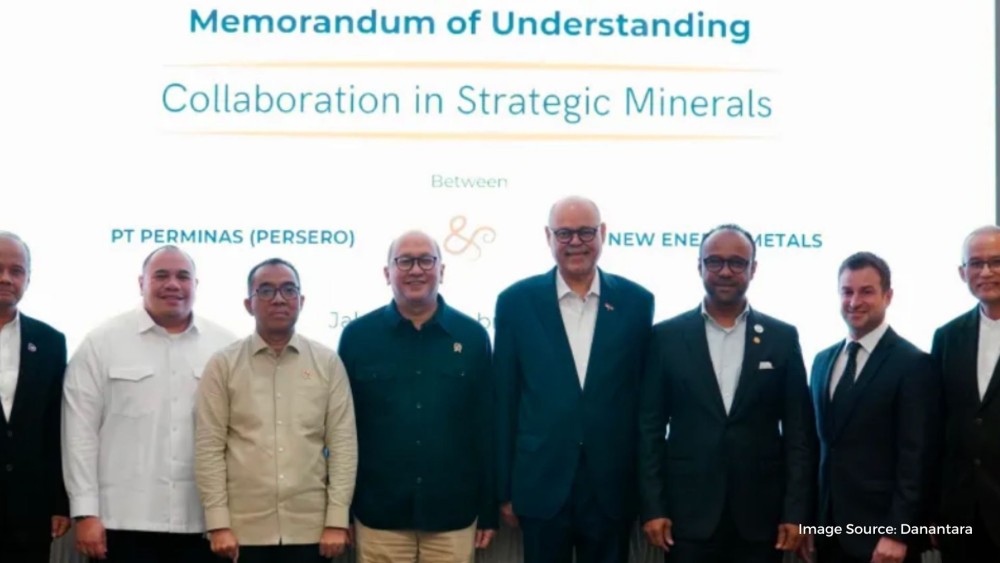
Indonesia’s newly established state-owned minerals company, PT Perusahaan Mineral Nasional (Perminas), has signed a memorandum of understanding (MoU) with Abu Dhabi-based New Energy Metals (NEM) to explore cooperation on rare earth elements and potential investment in a mine in Gabon.
The nonbinding agreement would give Indonesia access to the Maboumine polymetallic deposit in Gabon, operated by NEM subsidiary Dusk Gabon, and open the door to downstream processing and manufacturing of rare earth products in Indonesia, state asset fund Danantara said in a statement.
The MoU is expected to enable Indonesia to tap into Maboumine’s niobium and rare earth elements, while also unlocking partnerships in the industrial processing of those materials in Indonesia. The deposit contains niobium and rare earth elements including neodymium, praseodymium, dysprosium and terbium, which are used in electric vehicles, renewable energy, aerospace and defense applications, Jakarta Globe reported.
Perminas and Danantara may also enter negotiations for equity or debt participation in the Maboumine project, though no financial value or timeline has been disclosed.
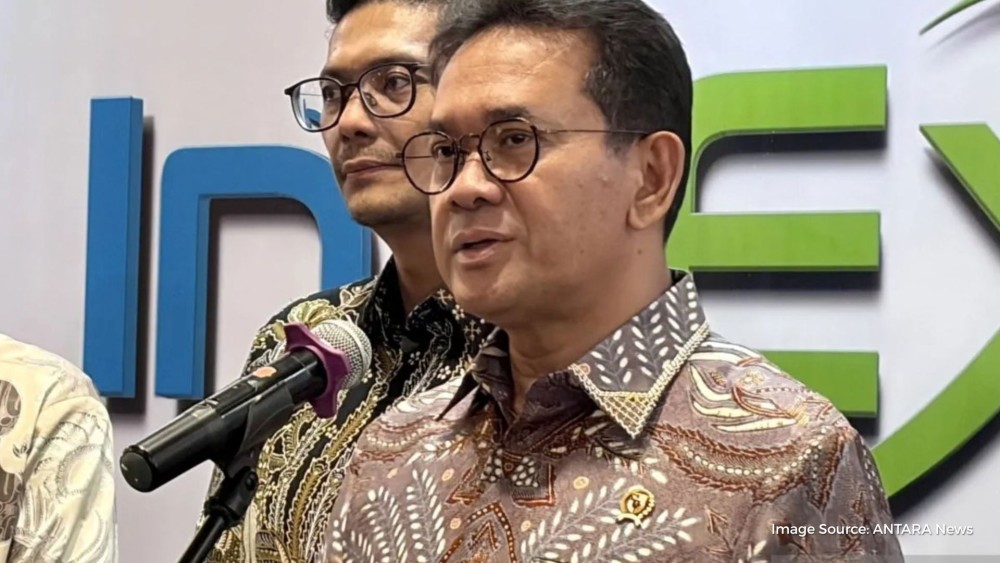
“This MoU creates a structured pathway to assess opportunities that link upstream resource potential with downstream value creation, consistent with strong governance and long-term national priorities,” Perminas president director Gilarsi Wahju Setijono said in a statement, as quoted by Jakarta Globe.
Under the agreement, the parties will assess cooperation spanning upstream resource development and downstream activities, including rare earth separation, refining, alloy production and permanent magnet manufacturing.
A joint working group will be formed to conduct technical and commercial assessments and exchange data between the companies.The companies will evaluate potential integration between Gabon’s upstream resources and Indonesia’s industrial base.
Danantara CEO Rosan Roeslani said the partnership was needed to support Indonesia’s next phase of industrial growth. “Indonesia’s next phase of industrial growth requires secure access to critical mineral and the capacity to turn those inputs into globally competitive downstream products,” he said, as quoted by The Jakarta Post.
NEM President Director Abduljabbar Alsayegh also commented on the agreement, acknowledging Indonesia’s ambition to advance the rare earth value chain, which he described as “increasingly vital to global energy transition, technology leadership, and supply security”.
According to the United States Geological Survey, 17 metallic elements are classified as rare earth elements and are used across industries, including automobiles, consumer electronics and renewable power plants. Niobium and light rare earth elements such as neodymium and praseodymium are key inputs for high-performance permanent magnets, while heavier rare earths like dysprosium and terbium improve magnet performance at high temperatures.
These materials are widely used in electric vehicles, renewable energy equipment such as wind turbines, as well as aerospace, defense and other high-value industrial applications that rely on secure supply chains.
The deal comes as Indonesia steps up efforts to secure critical mineral supplies at home and abroad to support domestic industrialization, amid increasing global competition for rare earths. The United States, China and the European Union have all moved to strengthen supply chains for strategic minerals used in electric vehicles, defense systems and renewable energy, citing concerns over supply concentration and geopolitical tensions.
In recent years, Indonesia has been expanding its domestic industrial processing sector as part of a broader push to produce more sophisticated goods. The government is aiming to reach 8% annual economic growth, while the economy expanded 5.11% in 2025.
RELATED ARTICLES