Second Phase of Waste-to-Energy Project Set to Expand to Lampung and Greater Surabaya
04 Dec 2025
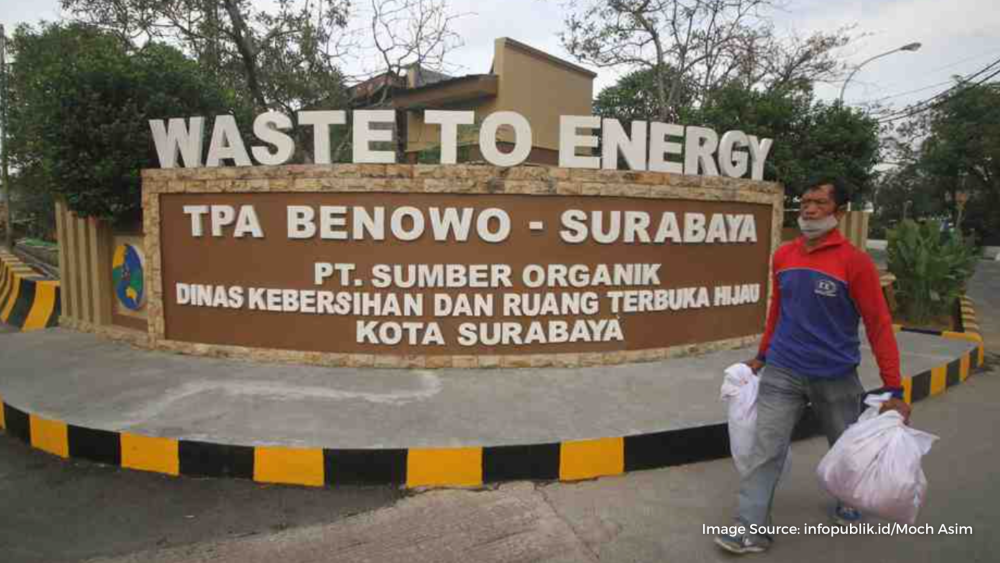
The Indonesian central government is preparing to expand the Waste-to-Energy (PSEL) program to two new regions in the second development phase, namely Greater Lampung and Greater Surabaya.
Minister of Environment Hanif Faisol stated that these two regions were the only ones that had fulfilled all requirements to be proposed as locations for the second batch of PSEL development.
“For the second batch, out of many potential candidates, only two have met the criteria to be proposed further, which are Greater Lampung and Greater Surabaya,” he said during a meeting with Commission XII of the House of Representatives (DPR RI) on Wednesday, December 3, 2025.
He further explained that after receiving approval in a coordination meeting at the Coordinating Ministry for Food Affairs, the government would conduct detailed verification before submitting PSEL development proposals to regional governments through the procurement process.
Hanif noted that the role of local governments remained crucial in this project, including preparing construction sites, allocating budgets, ensuring waste supply to processing facilities, holding public consultations, and drafting regional regulations that support PSEL integration.
However, the entire procurement process is now being taken over by the central government through the Ministry of Environment in coordination with other ministries, replacing the previous scheme in which procurement was handled by individual cities and regencies.
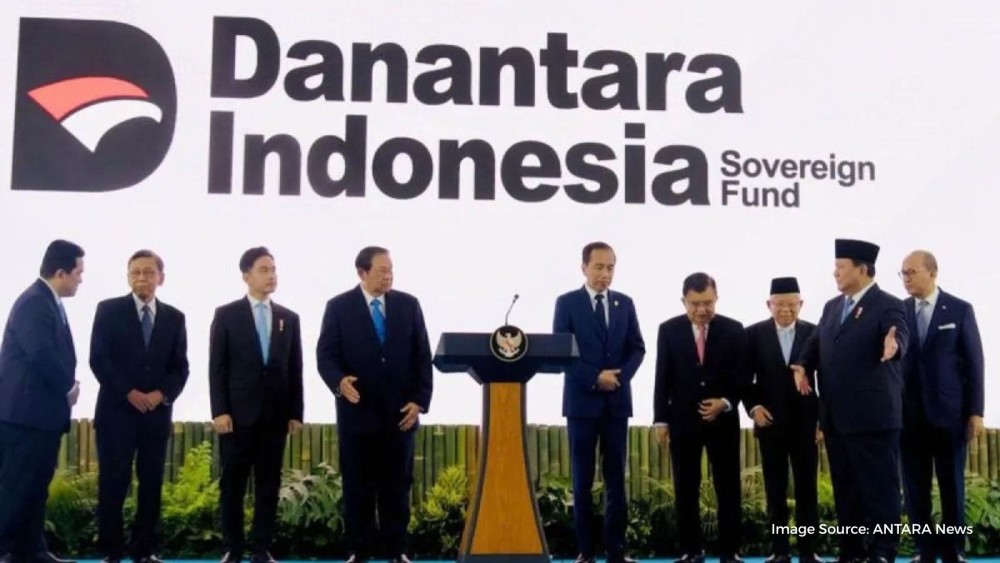
Meanwhile, the first batch of PSEL development is already underway and covers seven regions. Greater Bogor, Greater Denpasar, Greater Yogyakarta, and Greater Bekasi are already in the goods and services procurement stage under Danantara. Tangerang, Medan, and Semarang are currently completing required documentation, which is expected to be finalized in the coming weeks.
For Tangerang, the government had initially planned an agglomeration involving Tangerang City, Tangerang Regency, and South Tangerang City. However, operationally, the plan was deemed unfeasible.
“However, in practice, it turned out that it was nearly impossible to integrate operations between Tangerang City, Tangerang Regency, and South Tangerang City. Therefore, the option is for each city and regency to submit their own waste-to-energy proposals,” he explained.
This article is published in partnership with Katadata
Original article here
RELATED ARTICLES