Indonesia Builds Up Healthcare Capacity
17 Sep 2026
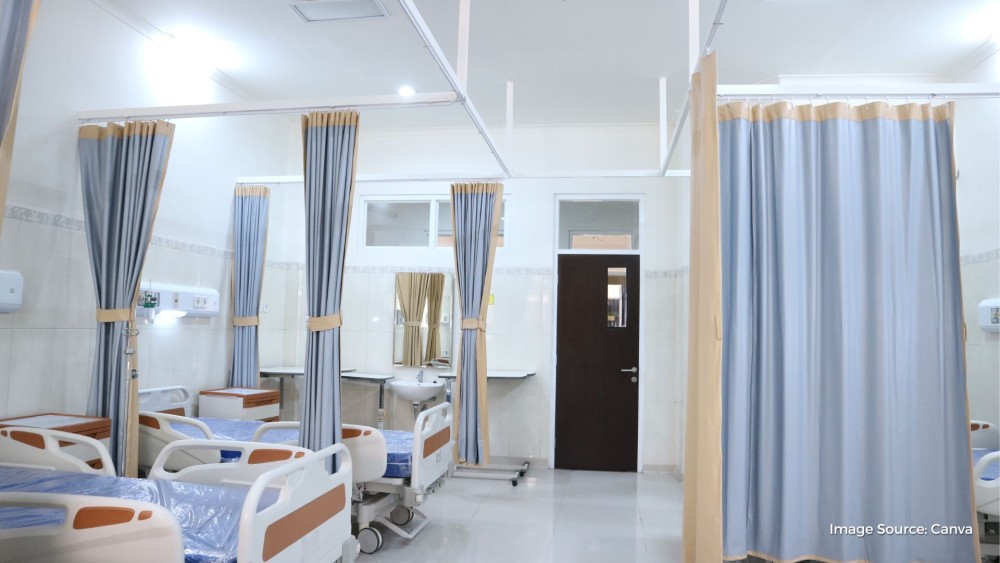
Until recently, most of Indonesia’s community health centres (puskesmas) did not have ultrasound machines. According to Health Minister Budi Gunadi Sadikin, only 22% of the country’s puskesmas had access to the equipment.
That picture is changing. Within a single year, around 300.000 anthropometric devices were distributed to integrated health posts (posyandu) across 7.000 inhabited islands. X-ray equipment for tuberculosis screening is also being rolled out, while Near Point of Care Testing terminals are being introduced to enable earlier detection of pathogens and infectious diseases.
“We have also sent 10.000 ultrasound machines to 10.000 community health centers (puskesmas),” Minister Sadikin said, as quoted by Antara.
The rollout illustrates a wider shift taking place in Indonesia’s healthcare system. For years, expanding access has been one of the country’s central healthcare challenges. The next stage is increasingly about strengthening the capabilities of the facilities that patients can already reach — particularly outside the country’s largest urban centres.
Indonesia’s Healthcare Expansion, Based on the 2027 Proposed State Budget
|
Area |
Planned expansion |
Timeline |
Main purpose / scope |
|
Community health centres (Puskesmas) |
1.988 new facilities; 8.001 to be renovated |
Starting 2027; completion by 2030 |
Strengthen primary healthcare; around IDR 4 billion planned per facility, with additional support for disadvantaged, frontier and outermost areas. |
|
Public health laboratories (Labkesmas) |
514 laboratories to be renovated or constructed |
Completion by 2030 |
Establish or strengthen public health laboratory capacity across 514 regencies and cities. |
|
Regional General Hospitals (RSUD) |
441 hospitals to be built or revitalised |
Phased across 2027–2029 |
Bring higher-level hospital capacity to every regency/city, particularly for cancer, cardiovascular disease, stroke, kidney disease, and maternal and child healthcare. |
Source: Ministry of Health, Cabinet Secretariat
The expansion is intended to bring more advanced care closer to patients.
Regional hospitals are being equipped with technologies such as cardiac diagnostic equipment, CT scanners, mammography and ultrasound systems. The objective is not simply to add hospital buildings, but to reduce the need for patients to travel long distances or be referred to larger cities for diagnosis and treatment.
Sixty-six hospitals have already been developed in disadvantaged, frontier and outermost regions, with 22 currently operational. The next phase of the hospital programme is expected to expand treatment capacity for cancer, heart disease, stroke and kidney disease, alongside maternal and child healthcare.
The government has also proposed providing remote healthcare through clinics at Red and White Cooperative outlets, adding another channel through which services could reach communities beyond major healthcare centres.
The Workforce Challenge
Facilities and equipment address only part of the capacity gap.
Indonesia continues to face a shortage and uneven distribution of healthcare professionals. A health labour market analysis conducted by the Ministry of Health and the World Health Organization found approximately 41 health workers for every 10.000 people in Indonesia, compared with a Western Pacific regional average of 82,7. The biggest bottleneck is among medical specialists, where current availability meets only around half of estimated needs.
The problem is also geographical. Health workers and specialist training programmes remain concentrated in urban centres, according to WHO, leaving some of the same regions targeted for better healthcare infrastructure with more limited access to qualified personnel.
Healthcare Workforce Gap
|
Healthcare profession |
Additional personnel needed |
Geographic coverage |
|
General practitioners |
84.781 |
474 regencies/cities |
|
Dentists |
127.580 |
505 regencies/cities |
|
Medical specialists |
55.712 |
481 regencies/cities |
Source: Cabinet Secretariat
The government is trying to expand the healthcare workforce pipeline through both domestic and international channels. Alongside new university- and hospital-based specialist programmes, Indonesia has opened greater scope for foreign specialists to support knowledge transfer and is developing partnerships with overseas medical institutions.
An agreement signed with Japan’s International University of Health and Welfare in April 2026, for example, covers postgraduate clinical training, specialist fellowships, exchanges and technical assistance by Japanese experts in Indonesia.
Technology is also playing a role in addressing some of these limitations. Telemedicine, remote monitoring, data analytics and increasingly integrated digital systems can allow care to extend beyond the traditional hospital setting. PwC Indonesia said in May that healthcare providers are moving towards more distributed and digitally enabled networks of care, while hospitals are expected to remain central to those networks.
Taken together, these developments point to growing demand not only for healthcare infrastructure, but also for the technologies and expertise that allow facilities to deliver more advanced care. These range from medical imaging, diagnostics and laboratory technologies to digital health systems, specialist-care solutions and the skills required to operate them effectively.
For foreign healthcare companies assessing the Indonesian market, this expansion is creating opportunities across several parts of the healthcare value chain. At the same time, entering the market requires an understanding of local regulations, procurement structures, healthcare priorities and potential partners — factors that will shape where and how overseas expertise can contribute to Indonesia’s expanding healthcare capacity.

RELATED ARTICLES