Indonesia to Maintain B40 Biodiesel Mandate as Palm Oil Prices Rise
14 Jan 2026
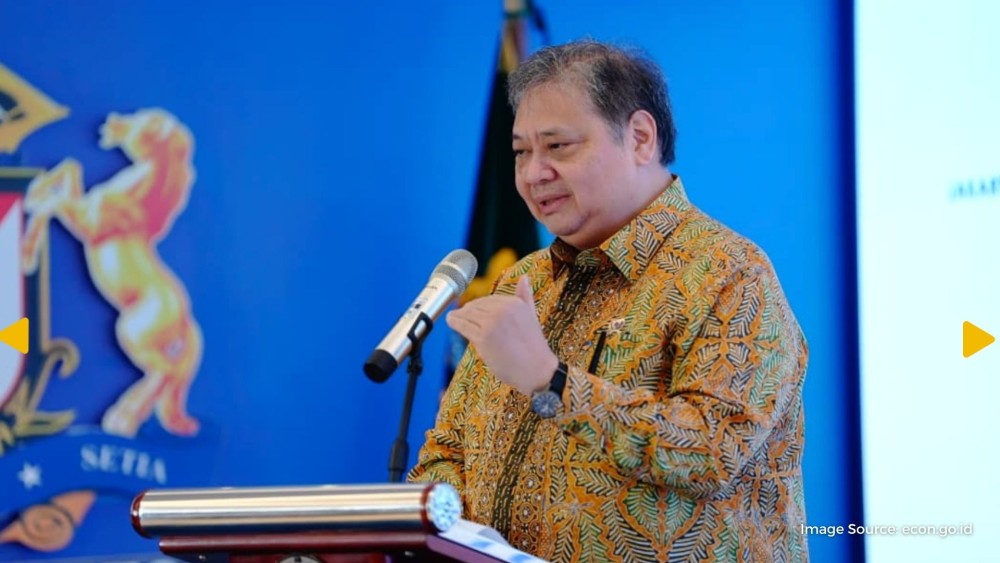
Indonesia will maintain its mandatory B40 biodiesel blending policy this year, as plans to raise the mandate to B50 remain under further study, Coordinating Minister for Economic Affairs Airlangga Hartarto said. The decision comes as global palm oil prices climb amid tightening supply and renewed demand, while market participants continue to assess policy signals from the world’s largest palm oil producer.
Under the B40 mandate, biodiesel consists of a blend of 60% petroleum diesel and 40% palm oil-based biofuel. Speaking to reporters in Jakarta, Airlangga said President Prabowo Subianto has directed the government to keep the B40 policy in place for now, while technical studies and automotive trials related to a higher blend continue.
“This year, the president’s direction is to keep B40,” Airlangga said after an event in Jakarta. “For B50, studies must continue on an ongoing basis.”
Airlangga said the transition to a B50 blend requires a comprehensive assessment, particularly of price dynamics between fuel oil, conventional diesel, and palm oil in both domestic and international markets. The government is continuing to calculate price differentials to ensure that any policy shift remains balanced, safeguards energy supply, and supports national economic stability.
He emphasized that the B50 policy has not been canceled. Preparations are ongoing, but implementation will depend on market conditions and the readiness of the domestic industry across the supply chain, from upstream palm oil production to downstream fuel distribution.
Indonesia began implementing the B40 mandate in early 2025 as part of broader efforts to strengthen energy security and advance its sustainability agenda. The government has previously stated its intention to increase the blend to B50 in 2026, subject to economic and technical feasibility. The biodiesel program aligns with the Asta Cita missions of the Prabowo administration, which prioritize food and energy security.
Indonesia’s biodiesel policy has become a key factor in global palm oil markets. On Wednesday, benchmark palm oil prices rose to around USD 1,007.4 per tonne, equivalent to 4,085 Malaysian ringgit, up 0.54% from the previous trading day. Prices have increased 1.97% over the past month but remain 6.35% lower than a year earlier.
Malaysian palm oil futures also advanced to around 4,130 ringgit per tonne, reaching a five-week high. The gains were supported by stronger edible oil prices on China’s Dalian exchange and in Chicago.
Supply-side developments added momentum to the rally. Malaysia’s industry regulator reported that palm oil production in December fell 5.5% from November to 1.83 million tonnes, tightening supply ahead of seasonal demand linked to the Lunar New Year and Ramadan. Shipments rose 8.5% month on month to 1.32 million tonnes. Separate estimates from cargo surveyors showed exports of palm oil products from January 1 to January 10 jumped between 17.7% and 29.2% compared with December levels.
Demand signals were also supportive, particularly from India, the world’s largest palm oil importer. Purchases are expected to rebound in January after falling to an eight-month low in December, driven by lower inventories and restocking ahead of festival seasons.
Despite the price gains, the upside was tempered by a stronger Malaysian ringgit and caution ahead of new economic data from China. Market participants are also weighing uncertainty over Indonesia’s biodiesel policy trajectory, as any move to B50 would further increase domestic palm oil consumption.
Indonesia has gradually expanded its biodiesel mandate since launching the program in 2016, moving from B10 to the current B40 requirement. Officials say the policy has significantly reduced diesel imports, which have fallen to about 4.9 million barrels per year, or roughly 10% of national demand.

RELATED ARTICLES